Emergency Kisses
1989
No user ratings available yet
Representation score: 5.4 out of 10
Representation Score
Fair
1973
Director
François Leterrier
Runtime
95 minutes
Average Rating
No ratings yetNew Showbiz Analysis
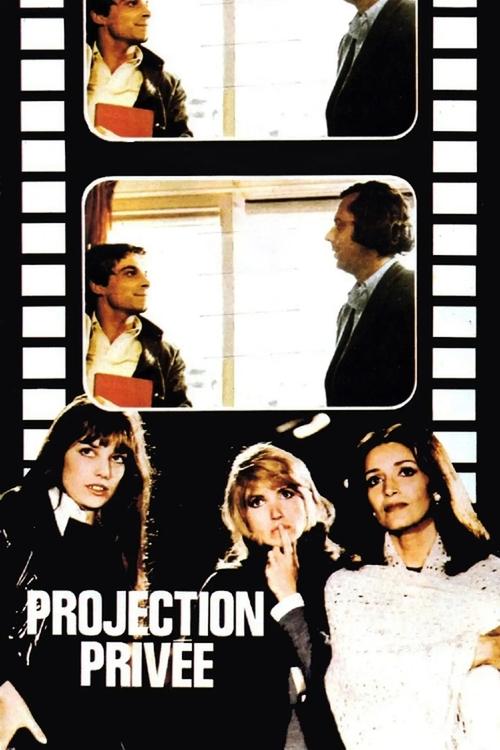
Private Screening is a meta-narrative drama that emphasizes psychological depth and the blurring of reality over explicit demographic representation. It primarily explores postmodernist themes, showing how the mechanics of filmmaking can disrupt traditional social structures. While the film offers insightful commentary on the displacement of domestic hierarchies, it remains grounded in the conventional social frameworks of 1970s European cinema. The absence of diverse casting or identity-driven subtext keeps the focus on the medium’s artifice rather than social the way different parts of someone's identity overlap.
Category Breakdown
The film centers on a romantic relationship involving a filmmaker, his wife, and an actress. There is no clear indication of queer-coded subtext or non-cisgender identities in the story.
The narrative examines shifting power dynamics as a cinematic persona overtakes a real-life marriage. This provides a nuanced look at women's ability to drive the story and the impact of the female image.
Reflecting the casting standards of 1973 French productions, the film seems to follow typical European casting practices. There is no evidence of intentional multi-layered casting or race-bending.
The film deconstructs truth by emphasizing cinematic artifice over traditional social institutions like marriage. It frames social roles as malleable constructs rather than fixed truths using a postmodernist perspective.
The narrative does not include any characters with visible or invisible disabilities.
Present on Screen
Limited or Absent
Official Synopsis
Complications abound in this French film, which tells the story of a filmmaker who is attempting to put his real life into a movie; his interactions with the people in the movie he is filming create reverberations in his "real" life, although the past remains unchanged. Among the complications is his growing regard for the woman who plays his cinematic wife. She may wind up replacing his actual wife in real life. One of the highlights of this film is the insight it gives into the actual mechanics of filmmaking.
1989

1979
1984
1973

1984

1984

1989
1993
No reviews yet. Be the first to share your thoughts on this movie!
Use the rating form above to leave a star rating and optional review.