The Battle of Canudos
1997
No user ratings available yet
Representation score: 3.2 out of 10
Representation Score
Limited
2013
RDirector
Rafael Lara Ruiz
Runtime
125 minutes
Average Rating
No ratings yetNew Showbiz Analysis
The film stands out by centering Mexican ability to act, offering a fresh perspective on 19th-century history. However, it remains confined within a traditional historical framework, lacking engagement with modern multi-layered identities such as LGBTQ+ representation or neurodivergence. This limits its broader social scope. Ultimately, the work performs a vital cultural function, providing a platform for post-colonial resistance and challenging traditional hierarchies of power through its focus on national sovereignty.
Category Breakdown
The film does not include any LGBTQ+ characters or narratives, adhering to the social norms of the 1860s setting.
Male military figures play a dominant role in the story. The film follows a traditional historical framework without showing female characters driving the plot.
The film centers a Mexican-majority cast in a narrative of resistance, disrupting conventional Western-centric views of 19th-century military history.
The narrative emphasizes national identity and anti-imperialism. It portrays the conflict as a fight for freedom against foreign intervention and Western expansion.
There is no documented evidence of characters with disabilities being portrayed with ability to act or as central to the narrative arc.
Present on Screen
Limited or Absent
Official Synopsis
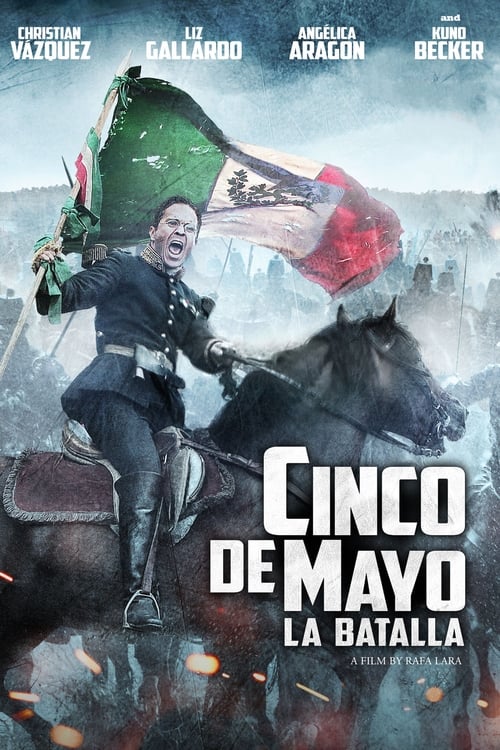
On May 5th, 1862, a few thousand Mexican soldiers put their lives on the line against the world's largest and most powerful army in one legendary battle for freedom and for Mexico.
1997

2016

2020

2012

2010
1964

2015
2004
No reviews yet. Be the first to share your thoughts on this movie!
Use the rating form above to leave a star rating and optional review.