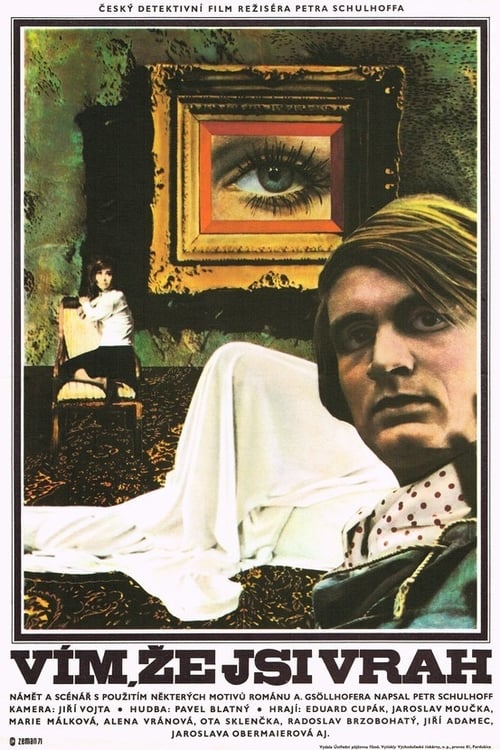
Vím, že jsi vrah...
1972
No user ratings available yet
Representation score: 3.8 out of 10
Representation Score
Fair
1979
Director
Petr Schulhoff
Runtime
86 minutes
Average Rating
No ratings yetNew Showbiz Analysis
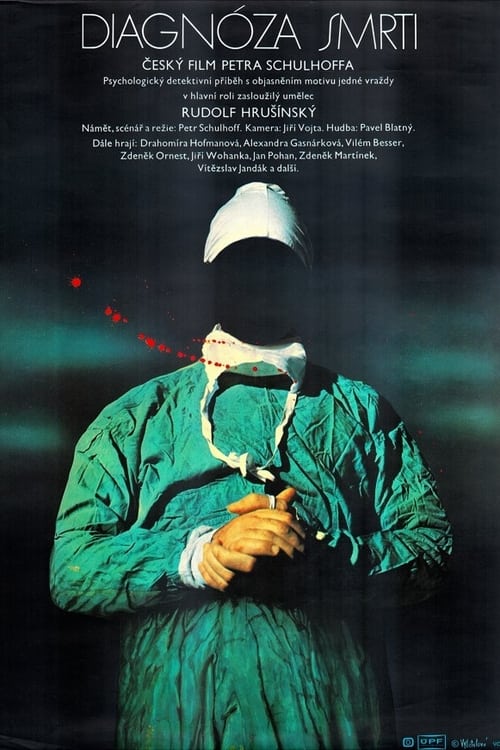
Diagnóza smrti is a crime drama deeply rooted in the historical and regional context of late-1970s Czechoslovakia. The narrative emphasizes medical ethics and systemic fragility over modern storytelling that reflects multiple aspects of identity. Though the film lacks racial and LGBTQ+ diversity, it introduces complex social roles, such as a divorced mother. The central conflict revolves around the tension between individual survival and institutional medical practices. Ultimately, the film's diversity is limited by its time period, yet it offers a somber, realistic exploration of human vulnerability and moral complexities.
Category Breakdown
The film does not include any LGBTQ+ characters or stories. The interpersonal relationships focus on traditional family structures and male-focused health issues.
Katerina Marková is portrayed as a divorced mother with complex social standing. However, the main ethical conflicts are driven by male characters.
The cast reflects the demographic uniformity typical of 1970s Czechoslovak cinema. There is no representation of non-white or non-Anglo-Saxon individuals.
The story delves into moral ambiguity and situational ethics around medical survival. It shifts away from idealized state narratives to a realistic portrayal of human vulnerability.
Physical disability is central to the plot through a character losing a kidney. The character's role is tied to medical necessity rather than personal empowerment.
Present on Screen
Limited or Absent
Official Synopsis
Two seriously injured patients are brought to the hospital at almost the same time: truck driver Honza Linhart, who had an accident, and a young woman found unconscious in a forest by a man picking mushrooms. The woman is identified as Katerina Marková, the divorced mother of a young girl. Major Kalas (Rudolf Hrusínský) suspects that she is a victim of mugging since a bloodstained small ax has been found near the site of the crime and, according to witnesses, Ms Marková was missing her watch and a bracelet, from which a gemstone has also been discovered. Linhart has lost his only kidney in the accident; in order to live a normal life again, he will need a kidney transplant from the mugged woman if she dies.
1972
1989
1964
1988
1979
1966
1970
2009
No reviews yet. Be the first to share your thoughts on this movie!
Use the rating form above to leave a star rating and optional review.