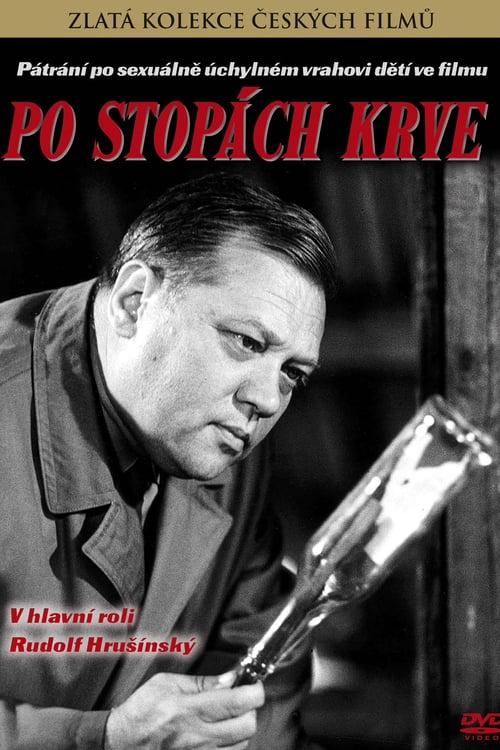
On the Trail of Blood
1970
No user ratings available yet
Representation score: 2.3 out of 10
Representation Score
Limited
1972
Director
Petr Schulhoff
Average Rating
No ratings yetNew Showbiz Analysis
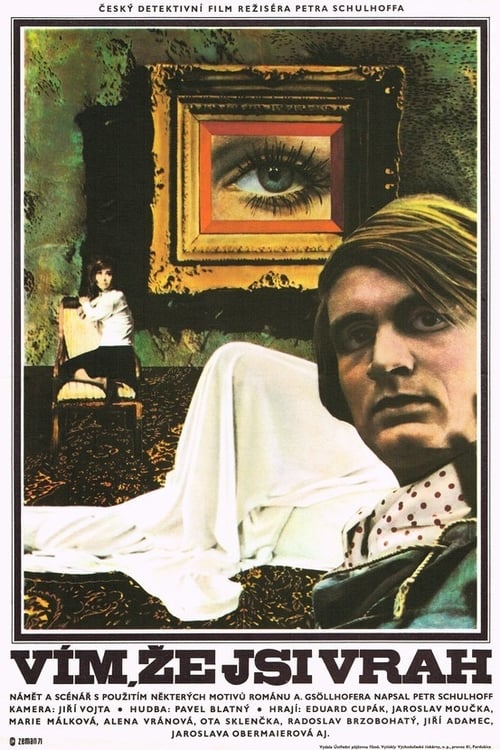
Vím, že jsi vrah... is a period crime procedural set in 1972 Czechoslovakia. The narrative centers on a psychological investigation into a series of murders, emphasizing plot momentum over diverse character perspectives. The film's representation is constrained by its era and genre, introducing complexity through mental health themes but lacking multi-layered depth. It offers limited perspectives on queer, racial, or non-traditional gendered identities. Ultimately, the film focuses on instability within a conventional social framework, without challenging traditional hierarchies.
Category Breakdown
The film does not include explicit representations of LGBTQ+ identities or same-sex relationships. The storyline centers around heterosexual relationships and traditional crime structures.
Female characters such as Dana Martinová and Eva Simonova play key roles in the plot. However, they mainly serve as victims whose deaths propel the investigation forward.
The production reflects the demographic uniformity of 1970s Czechoslovakia. There is no indication of a multi-ethnic cast or diverse racial representation.
The story delves into themes of mental instability and family responsibilities. It operates as a psychological procedural rather than a critique of religious or social institutions.
Mental health is a central theme through the character of Pavel Zach, adding psychological complexity to the plot. However, the condition is closely linked to violent behavior.
Present on Screen
Limited or Absent
Official Synopsis
Dana Martinová, a young woman of loose morals, dies at the hands of a mentally unstable young man, Pavel Zach. In a fit of jealousy, he could not restrain himself and killed the girl with a blow to the head. The police find the corpse thanks to Dana's friend Eva Simonova. And it's Eva who becomes Pavel's second victim. The young man, afraid of being found out, attacks the girl and drowns her in the bathtub. Lieutenant Zeman, a criminal investigator, is put in charge of the double murder as his first case, assisted by his more experienced colleague Suchánek. However, the investigation initially goes nowhere. While Pavel's father tries to have his mentally ill son committed to a psychiatric hospital, Pavel commits another murder out of fear. Neither he nor the investigators know that Pavel has been a mere tool in the hands of someone else for some time...
1970
1958
1966

2014
1964
1968
1980
1971
No reviews yet. Be the first to share your thoughts on this movie!
Use the rating form above to leave a star rating and optional review.