The Murderer Hides His Face
1966
No user ratings available yet
Representation score: 3.1 out of 10
Representation Score
Limited
1979
Director
Dušan Klein
Runtime
89 minutes
Average Rating
No ratings yetNew Showbiz Analysis
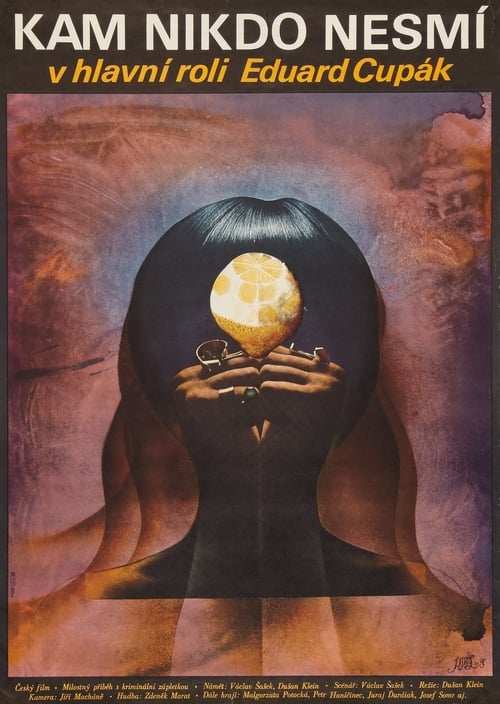
Kam nikdo nesmí functions as a traditional crime drama that centers on interpersonal investigation rather than social subversion. Although it examines the consequences of institutional neglect and the dynamics of an unequal relationship, it does not challenge the demographic status quo of its era. The film's focus remains on a localized, homogeneous setting typical of 1979 Czechoslovakia. It uses a tragic event to drive a character-driven mystery without exploring diverse cultural perspectives or multi-layered identities. Ultimately, the work adheres to conventional dramatic structures. It touches on systemic failures and social dislocation but lacks the broad demographic representation needed for a more progressive score.
Category Breakdown
The film does not include any characters with LGBTQ+ identities or non-cisgender narratives. The main storyline revolves around a heterosexual relationship between a young woman and an older man.
Lucie Rýdlová is the central female character, whose role is defined by her death and the subsequent investigation. The age difference with Valenta suggests a critique of power imbalances in relationships.
Being a 1979 Czechoslovak production, the film depicts a homogeneous ethnic population. There is no indication of racial diversity or non-Slavic casting in the story.
The story delves into social dislocation through a fragmented family unit and critiques institutional failures in providing medical care. These themes reflect the socioeconomic conditions of the time.
While the narrative includes a fatal accident and a medical investigation, it does not feature characters with physical or neurodivergent disabilities.
Present on Screen
Limited or Absent
Official Synopsis
Lucie Rýdlová is found dead at a destroyed car after a night accident. The seat position shows that she cannot have been driving, and the dissection proves that she had died about four hours after the accident. It is for sure that a timely medical assistance could have saved her life. A pretty young tennis player Lucie lived at her grandmother, because her parents had been working abroad. Criminalists found out that the girl was going out with the interpreter Valenta (Eduard Cupák), who was twenty years older than her, divorced and a bit egoistic man.
1966

2016
1979

2016
2012
1973
1973
1987
No reviews yet. Be the first to share your thoughts on this movie!
Use the rating form above to leave a star rating and optional review.