
Tree of Hands
1989
No user ratings available yet
Representation score: 1.6 out of 10
No Poster Available
Representation Score
Limited
1999
7Director
Faye Gilbert
Runtime
9 minutes
Average Rating
No ratings yetNew Showbiz Analysis
The film opens on the cluttered, dim interior of a modest British home, where the peeling paint and shared clothes do the work of exposition. Faye Gilbert’s 1999 drama *Perdie* sells a vision of working-class survival, framing the nuclear family not as a sanctuary but as a site of slow emotional erosion. The camera lingers on the face of the teenage protagonist, granting her the visual weight of the narrative while her father’s attempts at authority are undercut by his visible defeat. This is a story about the cost of silence, where the parents’ neglect is the primary antagonist. The sold meaning is a critique of class-based and gendered expectations that trap young women in cycles of poverty. The film argues that the traditional domestic sphere is a cage, and that the only viable escape is the preservation of one’s own identity against the erasure of family duty. The father is not a villain but a hollow figure, his sternness rendered pathos by his inability to provide. The mother’s absence, implied by the grief that drives the plot, leaves a void that the remaining family members fail to fill. The ending settles on a quiet, lingering look from the protagonist, suggesting an internal shift rather than an external victory. The system of domestic expectation remains unchanged, but the individual has survived it. The film rewards the girl’s resilience and her refusal to be erased, positioning her autonomy as the only true merit. It is a stark, naturalistic portrait that finds dignity in struggle, offering no tidy resolution but affirming the value of selfhood over the preservation of a failing home.
Category Breakdown
No queer characters or same-sex intimacy appear. The romantic focus stays strictly heteronormative between the teenage protagonist and her male peer. The film offers no non-binary or LGBTQ+ narrative threads.
Perdie anchors the moral center, resisting domestic erasure. Her father is emotionally bankrupt, his authority hollowed by poverty. The home is framed as a trap, rewarding the girl’s preservation of selfhood over parental expectations.
The cast is exclusively white, reflecting the working-class British context. No racial dynamics or non-white perspectives are depicted. The narrative focus remains entirely on class and gender within a homogeneous community.
Traditional family structures are presented as sources of neglect and stagnation. The working-class home is a site of economic strain and emotional silence. The ending affirms individual autonomy over the preservation of a failing domestic status quo.
No characters with physical, sensory, or cognitive disabilities are depicted. The narrative focuses on psychological and socioeconomic struggle rather than impairment or medical conditions. Disability is entirely absent from the on-screen inventory.
Present on Screen
Limited or Absent
Official Synopsis
A teenager struggles to come to terms with the death of her mother.
1989

2003

2000

1976

2009

2017

2021
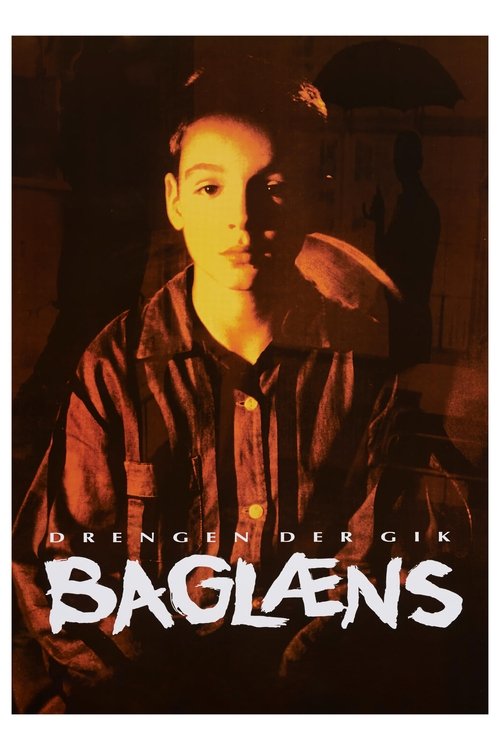
1995
No reviews yet. Be the first to share your thoughts on this movie!
Use the rating form above to leave a star rating and optional review.