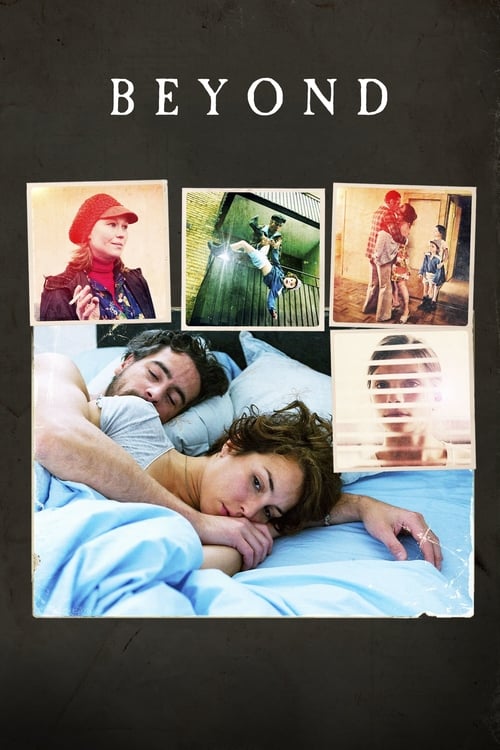
Beyond
2010
No user ratings available yet
Representation score: 4.5 out of 10

Representation Score
Good
2009
Director
Lisa Siwe
Runtime
90 minutes
Average Rating
No ratings yetNew Showbiz Analysis
Lisa Siwe’s drama provides a sophisticated look at identity through the lens of adolescent realism. By focusing on the inner lives of young women, the film challenges traditional coming-of-age stories and avoids relying on outdated archetypes. The narrative skillfully navigates the intersection of grief and emerging sexual identities. It offers a nuanced exploration of how characters cope with personal loss while navigating complex social and psychological transitions. While the film excels in representing gender and queer identities, it remains grounded in a secular framework. The emphasis on individual emotional truth over broader cultural or institutional structures defines its realist approach.
Category Breakdown
The film delves into the fluid nature of teenage sexuality and the process of discovering attraction. It goes beyond typical clichés to explore the emotional significance of forming a queer identity.
Women play a central role in driving the plot, emphasizing their social hierarchy and the psychological journey from adolescence to adulthood.
The cast includes a mix of ethnicities reflecting modern urban Sweden. This approach avoids presenting a uniform white experience as the standard for Scandinavian life.
The story centers on individual emotional experiences within a secular framework. It prioritizes personal morality over traditional religious or institutional guidance.
The film focuses on emotional and developmental changes. Characters with physical or neurodivergent disabilities are not central to the main plot.
Present on Screen
Limited or Absent
Official Synopsis
Young adolescent girl Jenna's mother is dying, while at the same time Jenna is turning from a young girl into a young woman. So it is difficult for her to admit that she is afraid to lose her mother; instead she behaves contrary to how one would expect.
2010

2017

2016

2003

2020

2008

2020

2021
No reviews yet. Be the first to share your thoughts on this movie!
Use the rating form above to leave a star rating and optional review.