Power and the Land
1940
No user ratings available yet
Representation score: 3.7 out of 10
Representation Score
Minimal
1933
Director
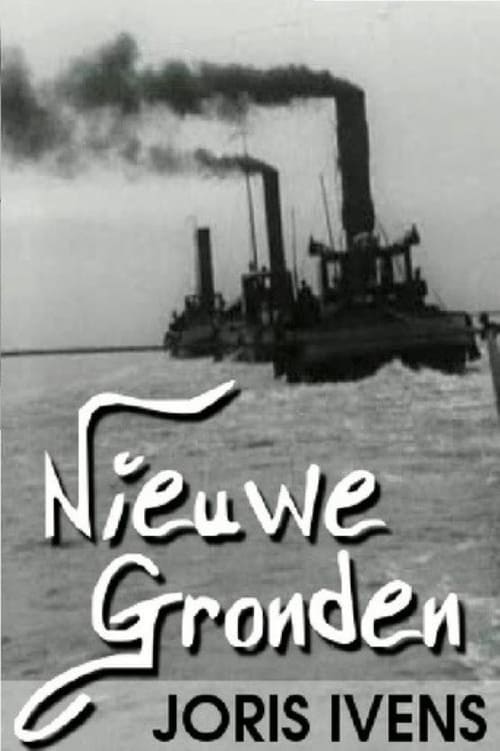
Joris Ivens
Runtime
30 minutes
Average Rating
No ratings yetNew Showbiz Analysis
New Earth serves as a technical and social document of human intervention in the natural landscape. It captures the massive collective effort needed to transform the Zuider Zee through engineering and labor. While the film lacks diverse representation regarding gender, race, or sexual orientation, it offers a progressive cultural perspective. It celebrates the systemic ability of human organization to reshape the physical world, breaking from the traditional natural order. Ultimately, the work remains tied to a 1930s Western industrial framework. It lacks the identity-based empowerment necessary for a higher diversity rating, focusing instead on the struggle between humans and nature.
Category Breakdown
This documentary focuses solely on industrial and agricultural reclamation. There are no LGBTQ+ characters or stories about non-straight relationships.
The film centers on traditional masculine roles related to engineering and heavy labor. It does not challenge traditional views of masculinity or show men in non-traditional roles.
The documentary focuses on the Dutch land reclamation project and features a homogeneous ethnic makeup. The narrative emphasizes a specific Western national identity.
The film presents a secular, human-centric view of progress by showing humans' triumph over nature. It highlights organized collective labor over religious or romanticized interpretations of the landscape.
There are no characters with visible or invisible disabilities in this historical overview of the Zuider Zee project.
Present on Screen
Limited or Absent
Official Synopsis
The film is a documentary portraying a struggle as man tries to subdue nature. To prevent flooding and for purposes of land reclamation, the people of the Netherlands struggle and succeed in building a breaker, thereby eliminating the wild inland body of water once known as the Zuider Zee (now called Ijsselmeer).
1940
1922
1956
2019
1966
1938
2022

1964
No reviews yet. Be the first to share your thoughts on this movie!
Use the rating form above to leave a star rating and optional review.