Jinnah
1998
No user ratings available yet
Representation score: 4.6 out of 10
Representation Score
Limited
2026
Director
Sriram Raghavan
Runtime
148 minutes
Average Rating
No ratings yetNew Showbiz Analysis
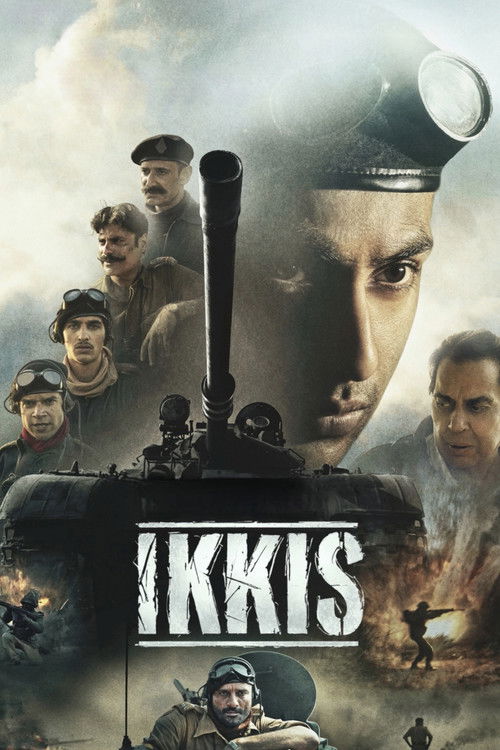
Ikkis earns its cultural score by refusing simplistic hero worship. It shows how war fractures families and communities, using the 1971 Battle of Basantar and a 2001 Lahore reunion to explore shared grief. The humanization of Pakistani characters adds moral complexity. Yet the film’s lens remains narrow. Women are confined to emotional support roles, and the absence of LGBTQ+ and disability representation flattens its social scope. The all-South Asian cast is historically appropriate but restricts broader diversity. The result is a powerful, empathetic war drama that excels in cultural nuance but falls short in inclusive storytelling. Its strengths lie in emotional honesty; its weaknesses in limited representation.
Category Breakdown
No LGBTQ+ characters appear. The film centers a heterosexual romance between Arun Khetarpal and Kiran Kochar, with no same-sex relationships or queer subtext. This absence narrows the emotional landscape of a story already focused on duty and sacrifice.
Women occupy peripheral, supportive roles. Kiran Kochar functions as Arun’s love interest, while Mrs. Maheshwari Khetarpal serves as a maternal figure. All military leadership is male, reinforcing traditional gender hierarchies within the war narrative.
The cast is entirely South Asian, aligning with the India–Pakistan setting. Characters from both sides, including Pakistani Brigadier Jaan Mohammad Khan, receive narrative depth. This grounded casting avoids tokenism while limiting broader ethnic representation.
The film interrogates war’s futility and partition’s lingering trauma. It balances patriotic sacrifice with intimate portraits of loss across borders. Cultural specificity enriches the story, though it remains tightly bound to South Asian historical experience.
No characters with physical or mental disabilities are depicted. The narrative focuses exclusively on able-bodied soldiers and civilians. This omission leaves a gap in portraying the full human cost of conflict.
Present on Screen
Limited or Absent
Official Synopsis
Second Lieutenant and India's youngest Param Vir Chakra recipient, Arun Khetarpal, gave his life fighting for his battalion and the country during the 1971 Battle of Basantar. Ikkis also takes a reflective look at the futility of war through the eyes of Khetarpal's father, who visits his ancestral home in Sargodha and Alma Mater for reunion, which now happens to be in post-partition Pakistan, 30 years later.
1998
2019
2022
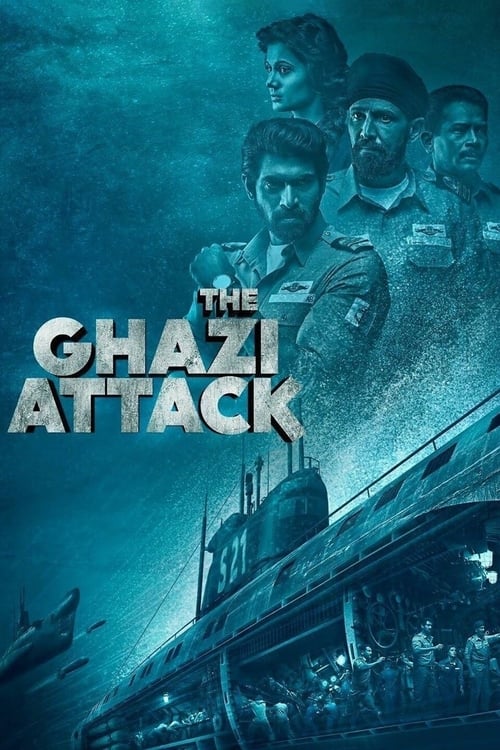
2017
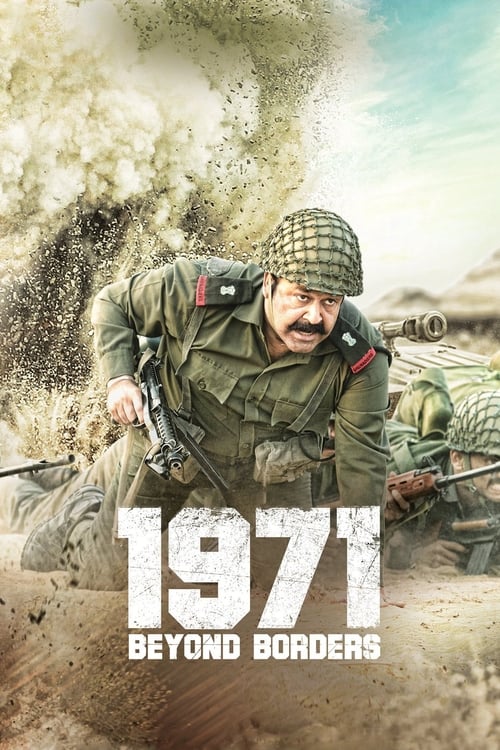
2017
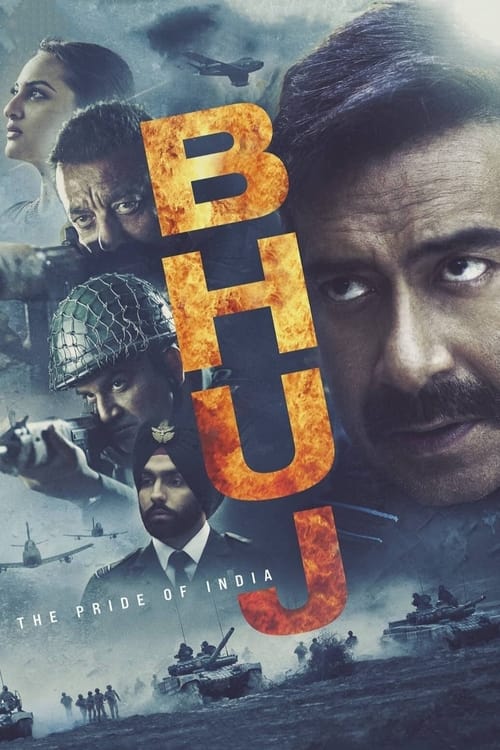
2021
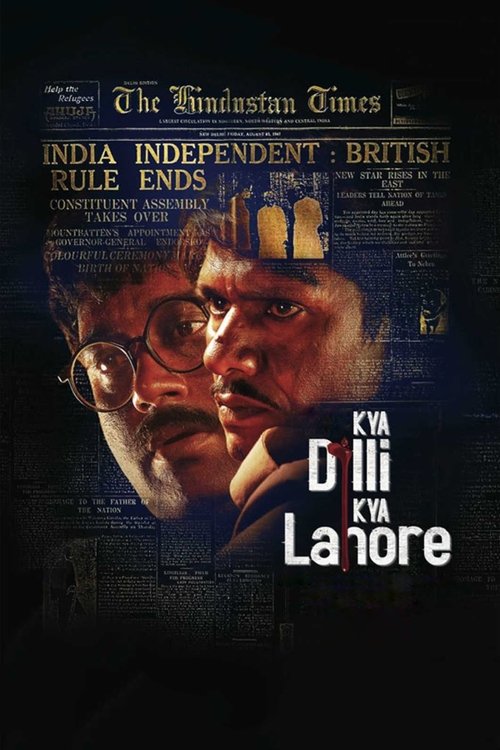
2014
2026
No reviews yet. Be the first to share your thoughts on this movie!
Use the rating form above to leave a star rating and optional review.