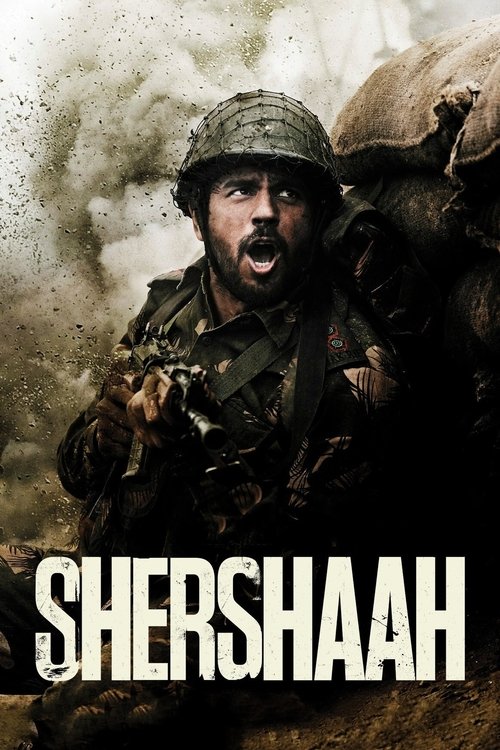
Shershaah
2021
No user ratings available yet
Representation score: 1.3 out of 10
Representation Score
Minimal
2021
Director
Abhishek Dudhaiya
Runtime
113 minutes
Average Rating
No ratings yetNew Showbiz Analysis
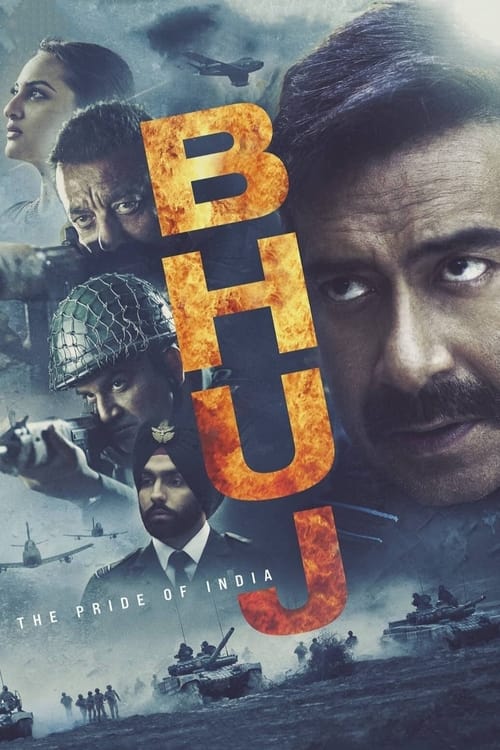
Bhuj: The Pride of India is a traditionalist historical drama that prioritizes nationalist sentiment and historical realism. The film reinforces established social and national hierarchies rather than challenging them. While the film achieves period accuracy through its South Asian casting, it lacks depth in representing diverse social perspectives. The narrative focuses heavily on the 1971 Indo-Pakistan War through a lens of duty and sovereignty, leaving little room for varied viewpoints. Ultimately, the film operates within a rigid framework of traditional masculinity and singular national identity, resulting in a narrow scope of representation.
Category Breakdown
The film maintains a strictly heterosexual and cisgender perspective, focusing on military brotherhood without depicting any non-cisgender or queer identities.
Male military leaders dominate the narrative, while female characters are confined to supporting roles, primarily functioning as emotional motivators for the men.
The cast is predominantly South Asian, offering a realistic and period-appropriate depiction of the Indian military. However, the representation remains largely uniform.
The story emphasizes a singular, cohesive national identity, prioritizing patriotism and institutional loyalty without delving into moral relativism.
There is no focus on visible or invisible disabilities. Characters are defined by the physical peak performance required for combat roles.
Present on Screen
Limited or Absent
Official Synopsis
Set in the backdrop of the 1971 Indo-Pakistan War, the film tells the story of the IAF Squadron Leader Vijay Karnik, and his bravery, patriotism and determination.
2021
2019
1997
2020

2020
2023
2020
2017
No reviews yet. Be the first to share your thoughts on this movie!
Use the rating form above to leave a star rating and optional review.