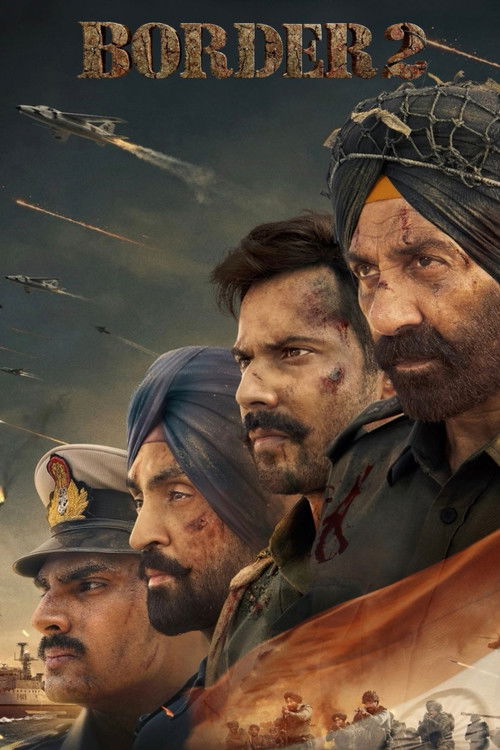
Border 2
2026
No user ratings available yet
Representation score: 1.6 out of 10
Representation Score
Limited
2026
Director
Rajkumar Santoshi
Runtime
145 minutes
Average Rating
No ratings yetNew Showbiz Analysis
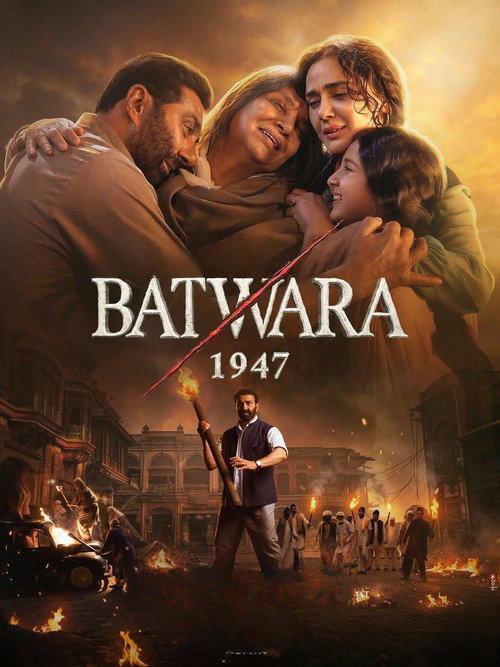
Batwara 1947 earns its highest marks for racial and cultural authenticity, grounding the Partition narrative in a fully South Asian cast and the lived reality of the Hindu-Muslim divide. The elderly Hindu woman’s refusal to abandon her Lahore home provides a compelling, human-centered lens on displacement. Gender representation is uneven. While the matriarch anchors the story, the top-billed lineup is male-heavy, and the action and decision-making appear to orbit around men. This skews the film’s internal balance despite its strong female lead. LGBTQ+ and disability representation are absent. The period setting and narrow focus on communal conflict leave no visible space for these identities, limiting the film’s broader inclusivity.
Category Breakdown
The 1947 Partition setting and family drama focus leave no room for LGBTQ+ characters. No same-sex relationships or identities are shown or mentioned in the available details.
The plot centers on an elderly Hindu woman’s refusal to leave her home, giving her a strong narrative role. However, the top-billed cast is predominantly male, suggesting men still drive most of the action.
The film directly portrays the Hindu-Muslim divide during Partition through its central conflict. The cast includes actors of South Asian descent in leading roles, reflecting the historical and cultural context authentically.
The story explores themes of displacement, religious tension, and coexistence during a pivotal historical moment. It highlights the human cost of Partition while questioning rigid cultural and religious boundaries.
No characters with disabilities are mentioned or depicted in the available information. The narrative focuses on ethnic and religious conflict rather than disability representation.
Present on Screen
Limited or Absent
Official Synopsis
The story of an elderly Hindu woman who refuses to leave her ancestral home in Lahore, only to have a Muslim refugee family from Lucknow allotted to her house following the events of the 1947 Partition of India and Pakistan.
2026
2019

2015
2004

2018
2007
1992

2026
No reviews yet. Be the first to share your thoughts on this movie!
Use the rating form above to leave a star rating and optional review.