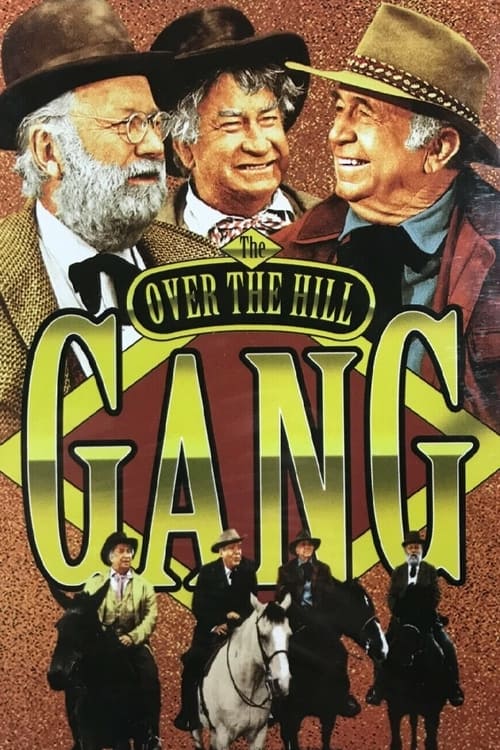
The Over the Hill Gang
1969
No user ratings available yet
Representation score: 0.5 out of 10
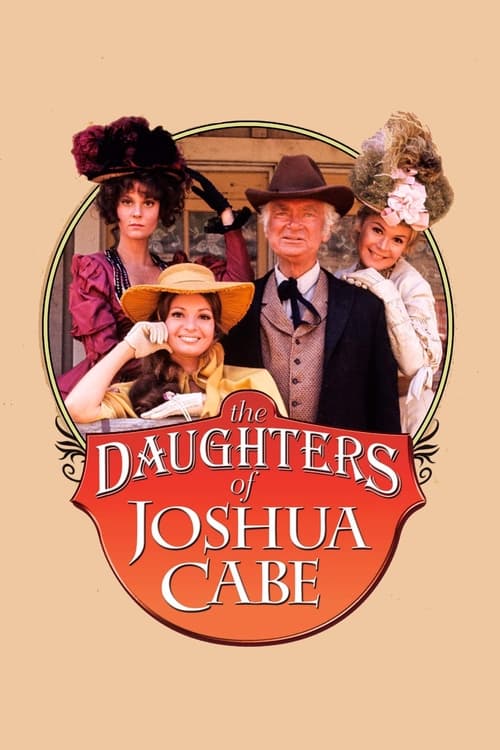
Representation Score
Fair
1972
Director
Philip Leacock
Runtime
73 minutes
Average Rating
No ratings yetNew Showbiz Analysis
The film stands out for its progressive subversion of Western genre conventions. By casting a Black actor in a position of patriarchal authority, it directly challenges the racial hierarchies common in 1972 cinema. While the central premise involves a male lead, the narrative relies heavily on women's ability to drive the story, shifting the focus away from typical frontier archetypes toward a more nuanced domestic drama. However, the film remains limited by a lack of LGBTQ+ representation and does not address disability. Its diversity is primarily rooted in racial casting and the use of underrepresented characters to critique social institutions.
Category Breakdown
The film does not include any LGBTQ+ characters or themes. The plot revolves around creating a fake family to meet legal requirements.
Female characters play key roles in driving the emotional narrative and challenge traditional gender roles within frontier society. The film uses women to question and disrupt conventional expectations.
Casting Robert DoQui as the main character is a significant departure from typical Western casting practices. This choice challenges the era's monolithic racial representations.
The story uses underrepresented individuals to navigate and manipulate homesteading laws. This framing suggests a critical view of formal Western legal systems.
There is no focus on physical or neurodivergent disabilities in this production.
Present on Screen
Limited or Absent
Official Synopsis
Due to a home-steading law, a fur trapper schemes to keep his land by hiring a hooker, a pickpocket and a thief to pose as his family.
1969
1975
1977
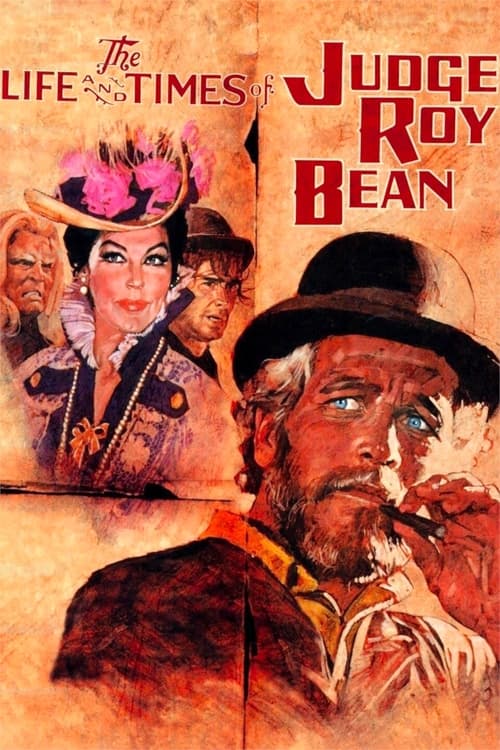
1972
1995
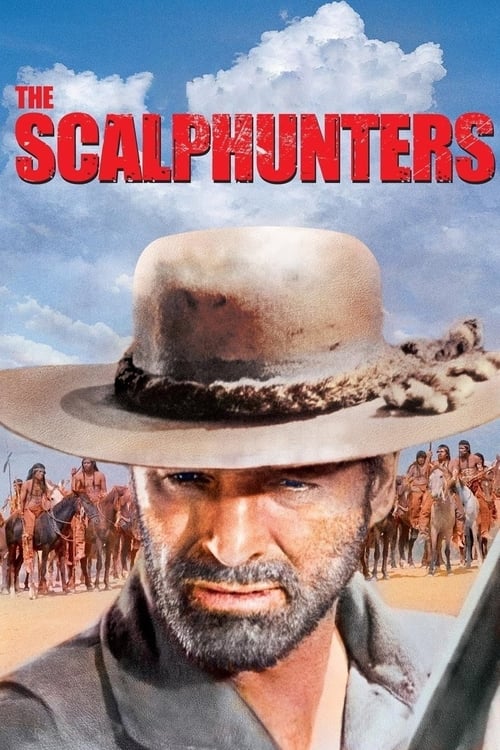
1968
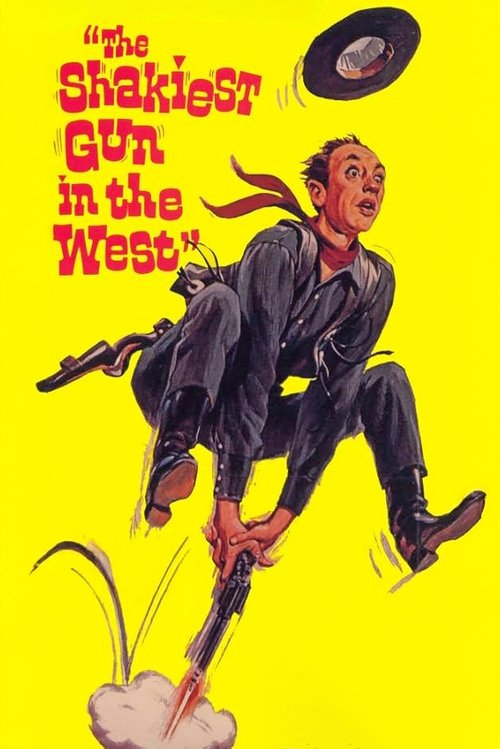
1968
1971
No reviews yet. Be the first to share your thoughts on this movie!
Use the rating form above to leave a star rating and optional review.