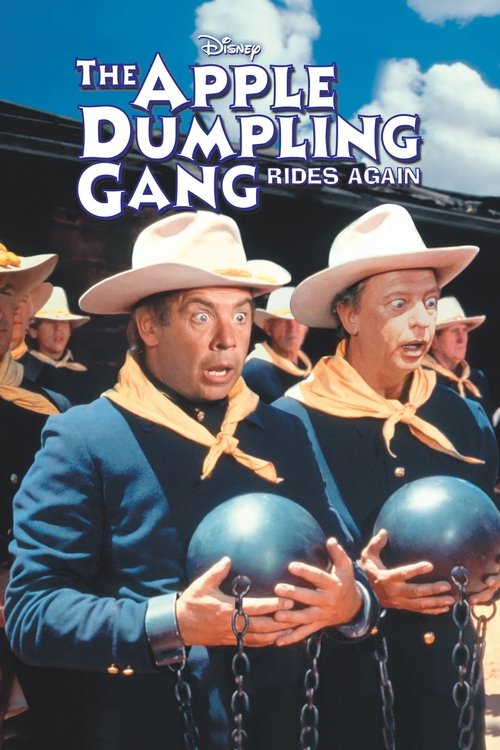
The Apple Dumpling Gang Rides Again
1979
No user ratings available yet
Representation score: 1.6 out of 10
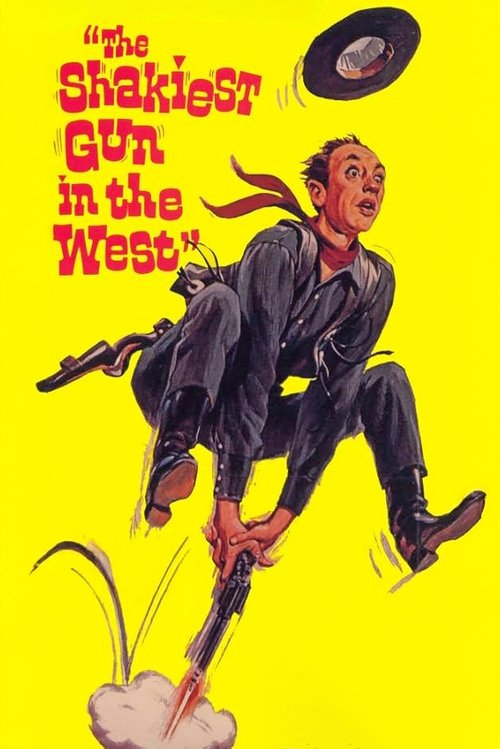
Representation Score
Limited
1968
ApprovedDirector
Alan Rafkin
Runtime
101 minutes
Average Rating
No ratings yetNew Showbiz Analysis
The film primarily functions as a mid-century genre parody, prioritizing slapstick humor over social critique. It successfully challenges the hyper-masculine Western hero archetype by replacing the stoic gunslinger with an incompetent dentist. However, this subversion is limited to gendered clichés and does not extend to broader systemic critiques. The narrative remains tied to the demographic norms of its era, lacking meaningful racial or LGBTQ+ representation. Ultimately, the film uses character archetypes for comedic absurdity rather than to explore diverse social realities.
Category Breakdown
The film follows the 1960s standard where everyone is assumed to be straight or cisgender. A sham marriage is used for comedic purposes rather than to explore queer identity.
The film pokes fun at hyper-masculinity by casting a bumbling dentist as the hero. However, the female lead's role is tied to deception, and the comedy revolves around male incompetence.
The cast is homogeneous and white-centric, typical of 1870s frontier comedies. There are no notable characters of color with significant roles.
The story uses genre satire to deconstruct Western myths. Traditional structures like marriage are treated as comedic plot devices rather than tools for social critique.
The protagonist's incompetence is used for slapstick humor. This does not provide nuanced representation of physical or neurodivergent disabilities.
Present on Screen
Limited or Absent
Official Synopsis
Jesse W. Haywood (Don Knotts) graduates from dental school in Philadelphia in 1870 and goes west to become a frontier dentist. Penelope "Bad Penny" Cushing (Barbara Rhoades) is offered a pardon if she will track down a ring of gun smugglers. She tricks Haywood into a sham marriage as a disguise. Haywood inadvertently becomes the legendary "Doc the Haywood" after he guns down "Arnold the Kid".
1979
1975

1970
1969
1972
1968
1977
1960
No reviews yet. Be the first to share your thoughts on this movie!
Use the rating form above to leave a star rating and optional review.