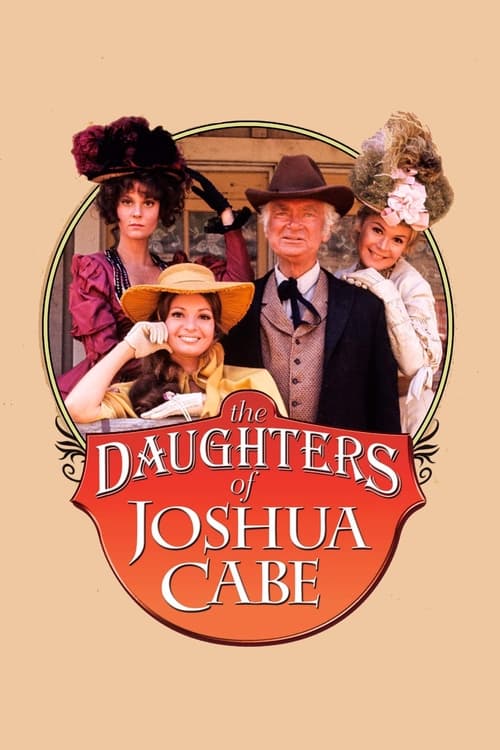
The Daughters of Joshua Cabe
1972
No user ratings available yet
Representation score: 4.0 out of 10
Representation Score
Limited
1975
Director
David Lowell Rich
Runtime
74 minutes
Average Rating
No ratings yetNew Showbiz Analysis
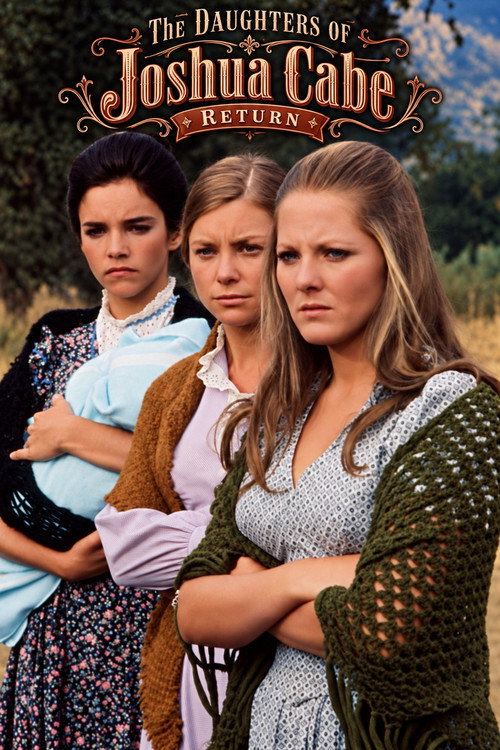
The film opens on the sun-bleached isolation of the Cabe homestead, a physical landscape that functions as both prison and sanctuary. David Lowell Rich’s 1975 sequel sells a vision of rural resilience, where the old ways are tested by modern independence but ultimately prevail through adaptation. The sold meaning is clear: the nuclear family is the only stable structure capable of absorbing change without breaking. Joshua Cabe, played by Dan Dailey, is the film’s primary joke, his crusty resistance to his daughters’ autonomy providing the comedic friction. Yet the camera never truly punishes him. While the daughters, including Brooke Adams as Mae, display competence and agency in their choices, their independence is ultimately channeled into traditional marriage. The "new" men, Will and Miner, are accepted not as challengers to the status quo, but as safe additions to the existing hierarchy. The film’s argument pulls apart when it claims to celebrate female independence while rewarding domestic consolidation. The daughters’ "freedom" is a phase that leads to the porch, where they stand as prizes for the new suitors. The Native American presence, embodied by Dub Taylor, further reinforces this white-centric stability, serving as a helpful bridge rather than a voice of contestation. The last image is a tableau of domestic order, affirming that the American West is a place where the past and present coexist harmoniously, provided the patriarch remains the anchor.
Category Breakdown
Romantic pairings are strictly heterosexual, with no same-sex intimacy or non-binary characters. The narrative treats heteronormative courtship as the sole mechanism for social resolution.
Daughters drive the plot through independent choices, yet their arcs conclude in traditional domestic consolidation. Joshua Cabe is the comedic target, but his patriarchal authority is ultimately restored and unchallenged.
Dub Taylor appears as Bitteroot, a Native American comic helper who facilitates the white family’s stability. His role reinforces the white homestead as the moral center without exploring land rights.
The New Mexico desert homestead is treated as a resilient sanctuary where tradition absorbs change. The film validates the nuclear family and rural heritage as the ideal framework for conflict resolution.
No characters display physical, mental, or sensory impairments. The cast consists of able-bodied performers with no medical or disability-related plot elements.
Present on Screen
Limited or Absent
Official Synopsis
A crusty old rancher hires three young women to pose as his daughters. However, the real father of one of the daughters finds out about it, and kidnaps her to hold her for ransom--which the rancher can't pay.
1972

1957

1973
1971
1971
1951
1995
1976
No reviews yet. Be the first to share your thoughts on this movie!
Use the rating form above to leave a star rating and optional review.