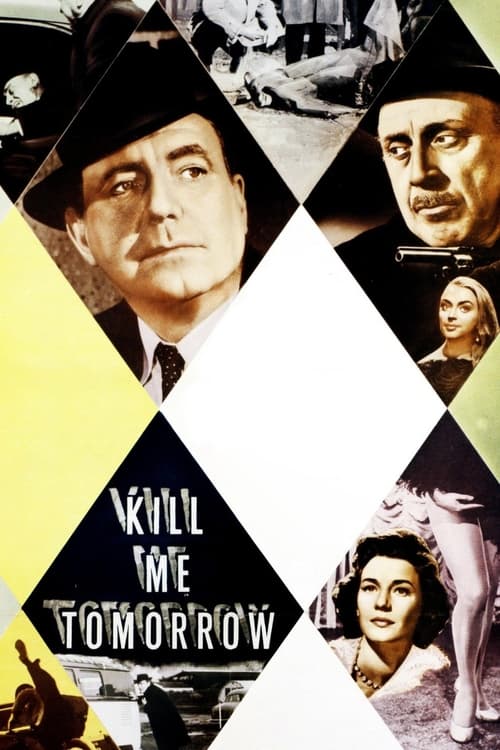
Kill Me Tomorrow
1957
No user ratings available yet
Diversity score: 2.2 out of 10
1954
NRDirector
Montgomery Tully
Runtime
75 minutes
Average Rating
No ratings yetSynopsis
A man pays a hitman to kill him. Circumstances change and he tries to call off the hit but he has trouble getting the deal killed.
Overall Score
Limited
Category Breakdown
LGBTQ+ Representation
The film lacks queer characters or narratives that challenge heteronormativity. It focuses on a traditional, masculine-driven crime plot typical of its era.
Gender Representation
The story centers on male agency and masculine-coded conflict. Female roles appear relegated to secondary archetypes like the femme fatale or domestic stabilizers.
Racial & Ethnic Diversity
The production reflects the homogeneous demographic norms of 1954 Britain. It adheres to the Anglo-Saxon centricity common in mid-century Western media.
Religious & Cultural Diversity
The narrative functions within a standard framework of crime and consequence. It lacks active critiques of Western institutions like religion or capitalism.
Disability Representation
There is no evidence of characters with physical or neurodivergent disabilities. Such traits were rarely used for character depth during this period.
Strengths
Areas for Improvement
AI Analysis
Paid to Kill is a product of its time, operating within the rigid social hierarchies and censorship of 1954. The narrative architecture relies on conventional crime tropes rather than any attempt to disrupt systemic norms or provide progressive representation. The film's focus is almost entirely on a fatalistic, masculine-driven plot. This results in a lack of intersectional depth, as the story avoids exploring identities outside of the era's standard cinematic conventions.
1957
1957
1962
1966
1956
1956
1948
1972
1944
1955
1955
1972
No reviews yet. Be the first to share your thoughts on this movie!
Use the rating form above to leave a star rating and optional review.