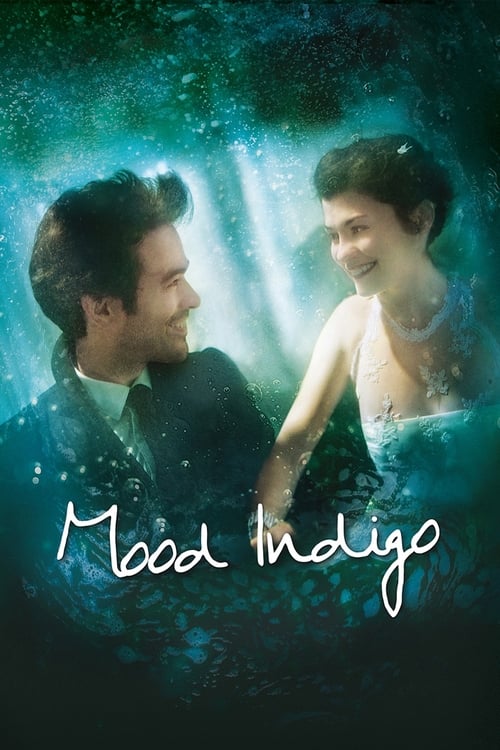
Mood Indigo
2013
No user ratings available yet
Representation score: 3.4 out of 10
Representation Score
Good
2001
Director
Katsuyuki Motohiro
Runtime
128 minutes
Average Rating
No ratings yetNew Showbiz Analysis
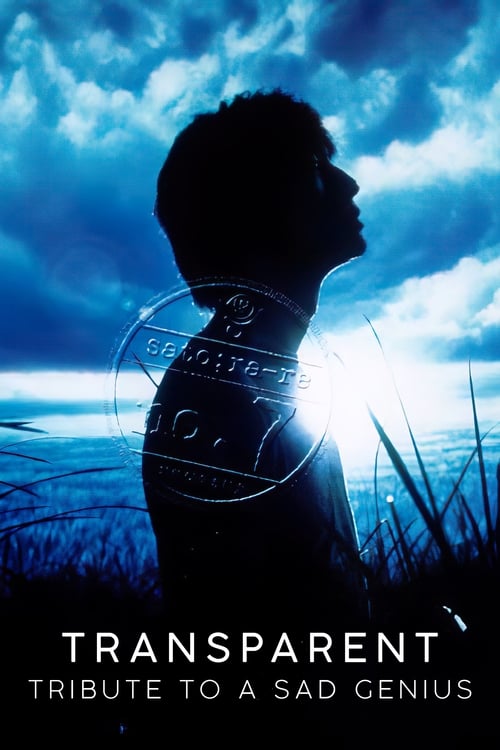
Transparent: Tribute to a Sad Genius is a character study that prioritizes psychological tension over identity politics. Its primary strength lies in its nuanced portrayal of neurodivergence, treating the 'satorare' syndrome as a central, complex identity that challenges social norms. While the film excels at critiquing the ethics of social transparency and systemic surveillance, it remains relatively neutral regarding other forms of representation. The focus on a male protagonist and a specific neurological condition leaves little room for explicit LGBTQ+ or racial subversion.
Category Breakdown
The film focuses on a neurological condition rather than romantic relationships or LGBTQ+ identity. There are no explicit LGBTQ+ character arcs or critiques of the assumption that everyone is straight.
The story centers on Kenichi, a male doctor. It follows a traditional protagonist model, making it unclear if female characters have significant roles or challenge gender hierarchies.
As a Japanese production, the film features a predominantly non-Western cast. It operates outside Western-centric casting norms without focusing on racial blending or ethnic clichés.
The film critiques institutional power through the lens of government oversight. It explores the tension between individual autonomy and state surveillance within a culturally specific context.
The film provides a nuanced look at neurodivergence and invisible disabilities. It frames the inability to mask emotions as a complex identity rather than a mere plot device.
Present on Screen
Limited or Absent
Official Synopsis
A young, good-hearted doctor Kenichi suffers from a rare syndrome whereby his feelings cannot be hidden. Such people are known as "satorare" and their well-being come under special government protection.
2013

2009

2016
2006

2015

2008
2005

1996
No reviews yet. Be the first to share your thoughts on this movie!
Use the rating form above to leave a star rating and optional review.