
Crisis Hotline: Veterans Press 1
2013
No user ratings available yet
Diversity score: 6.1 out of 10
2019
Director
Hernán Zin
Runtime
87 minutes
Average Rating
No ratings yetSynopsis
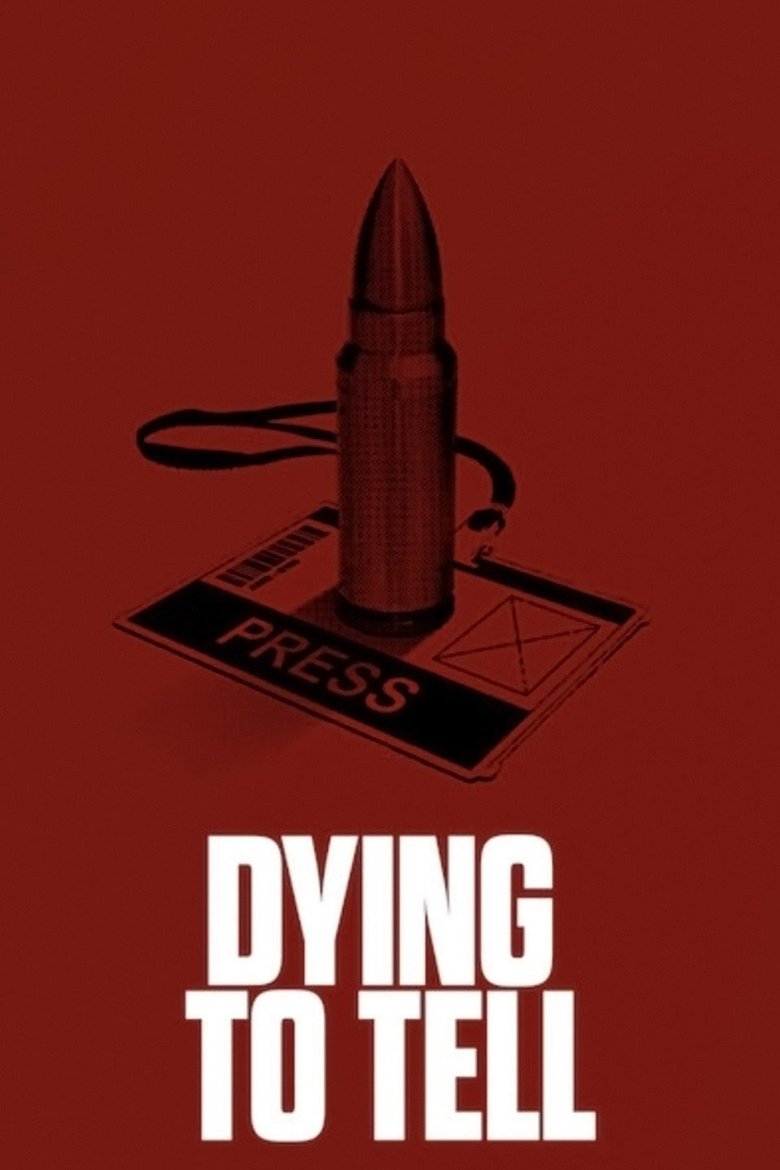
In 2012, awarded filmmaker Hernán Zin suffered an accident in Afghanistan that changed his life forever. The traumas he had been accumulating during 20 years of war reporting suddenly imploded. He began suffering depression, loneliness and self-destructive behaviors. Searching for answers of what happened to him, Hernán Zin decided to interview other journalists. He asked them about their traumas, their losses, their fears and their families. DYING TO TELL is the first documentary film ever made about trauma in war reporters. It is a brutal and torn portrait of war, and a tribute to those who risk their lives for the world to be informed. —Contramedia Films
Overall Score
Good
Category Breakdown
LGBTQ+ Representation
The film lacks explicit evidence of LGBTQ+ characters or narratives. While no derogatory portrayals are noted, non-heteronormative identities are not a visible part of this specific thematic exploration.
Gender Representation
The documentary subverts the archetype of the invulnerable, stoic male reporter. By centering on depression and loneliness, it challenges traditional masculine hierarchies within the journalism profession.
Racial & Ethnic Diversity
The film engages with global perspectives through its focus on conflict zones like Afghanistan. However, the specific racial diversity of the interviewed journalists is not explicitly detailed.
Religious & Cultural Diversity
The narrative deconstructs the Western journalistic standard by focusing on the systemic cost of reporting. It moves toward a nuanced view of the psychological fragmentation caused by war.
Disability Representation
The film provides significant agency to those facing invisible disabilities. It centers the lived experiences of mental health conditions like PTSD and depression rather than using them as mere plot devices.
Strengths
Areas for Improvement
AI Analysis
Dying to Tell distinguishes itself by shifting the documentary lens from external war reporting to the internal psychological landscape of the reporter. It successfully dismantles the 'stoic observer' trope, offering a raw look at the human cost of journalism. The film excels in its portrayal of mental health, treating psychological trauma with agency and depth. It moves beyond traditional heroic narratives to explore the vulnerability inherent in high-stakes professions. While the film engages with global conflict zones, it lacks specific detail regarding the racial or LGBTQ+ identities of its subjects. This results in a moderate score for demographic breadth despite its thematic depth.
2013

2024

2018
2015

2016
2020

2021

2014

2017

2022

2015
2018
No reviews yet. Be the first to share your thoughts on this movie!
Use the rating form above to leave a star rating and optional review.