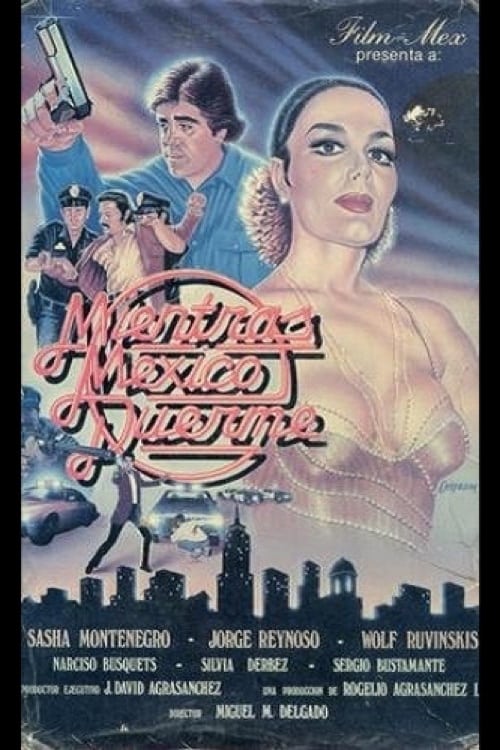
Mientras México duerme
1986
No user ratings available yet
Representation score: 3.0 out of 10
No Poster Available
Representation Score
Fair
1982
Director
Alberto Mariscal
Runtime
90 minutes
Average Rating
No ratings yetNew Showbiz Analysis
Alberto Mariscal’s work focuses on the urban underworld, emphasizing systemic tension over romanticized heroism. The film serves as a genre-specific exploration of criminality within a particular historical and cultural context. While it provides a non-Western perspective, it adheres to the traditional social and gendered frameworks of its era. The film maintains a standard level of cultural authenticity for its region but remains confined by the conventional clichés of 1980s crime drama.
Category Breakdown
The film does not include any explicit representations of LGBTQ+ identities or narratives. While it avoids actively harmful stereotypes common in Western media of the time, there is no visible presence of queer characters or stories.
Gender roles in the film seem to adhere to traditional hierarchies typical of 1980s Mexican crime cinema. Female characters may serve primarily as archetypes supporting the male-driven plot rather than having independent roles.
As a Mexican production, the film naturally centers a predominantly non-Anglo-Saxon cast. This provides a baseline of ethnic authenticity that shifts the perspective away from Hollywood dominance.
The narrative delves into urban life and the tensions between individuals and state institutions. It presents a localized view of socioeconomic survival and the complexities of law and order.
There is no information available regarding the portrayal of physical or neurodivergent characters in this work.
Present on Screen
Limited or Absent
Official Synopsis
Mexican feature film
1986

1986
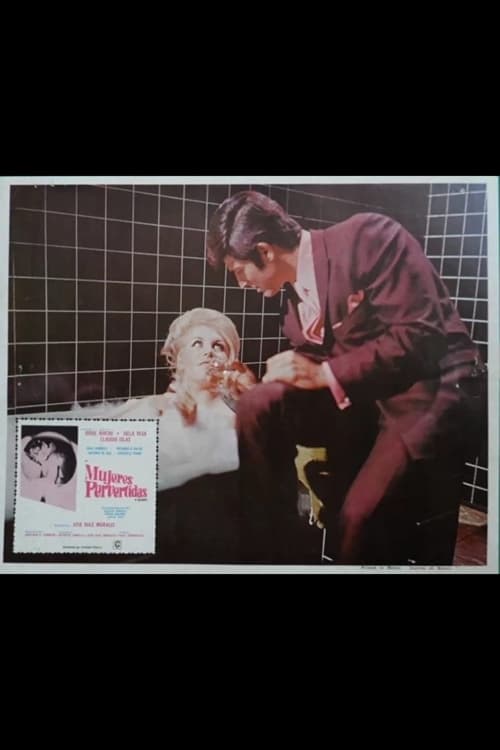
1971
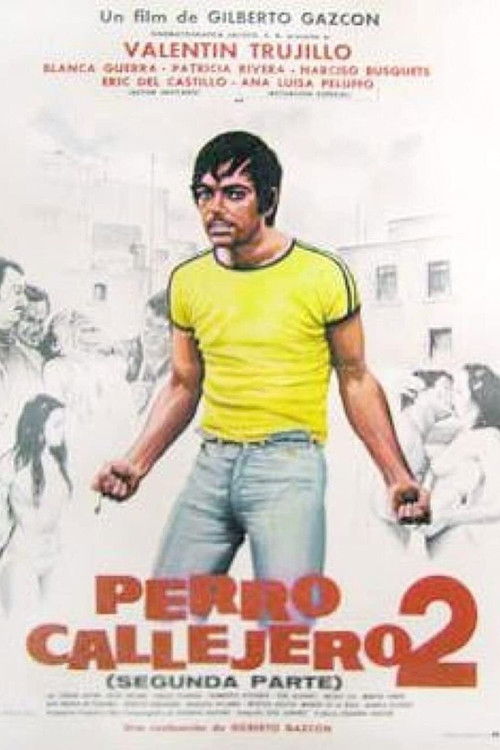
1981
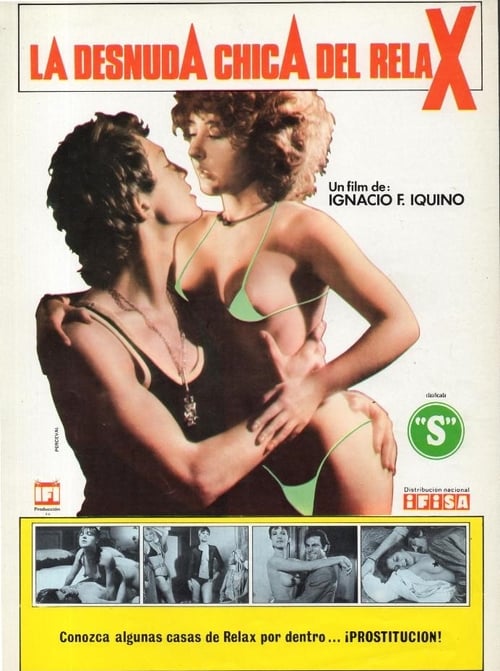
1981
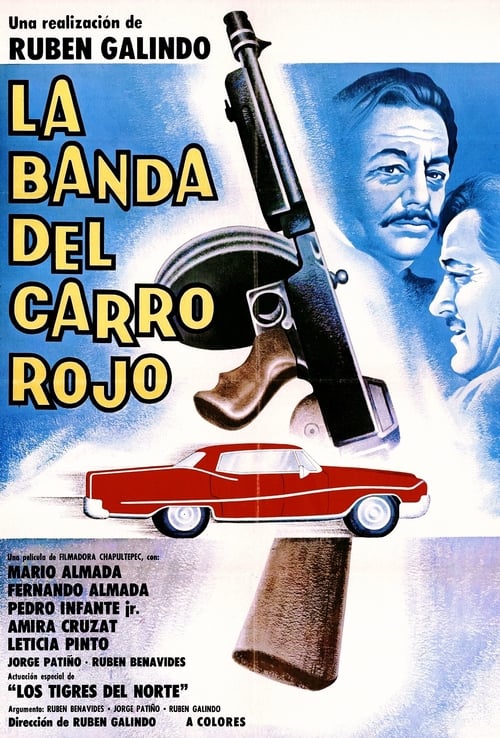
1978

1978
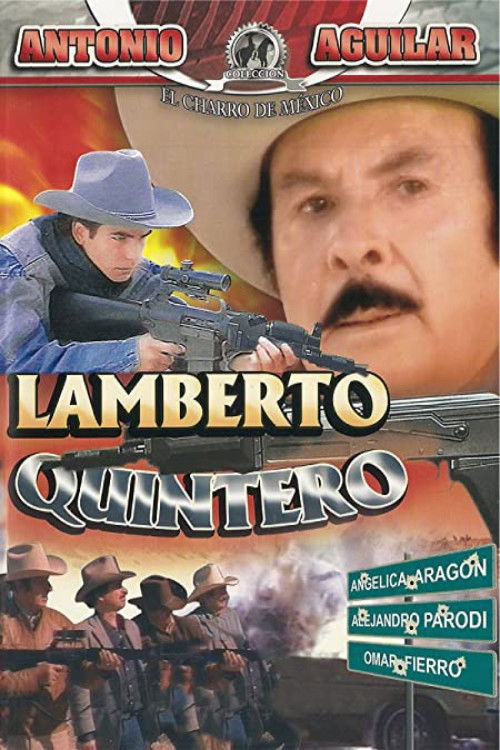
1987
No reviews yet. Be the first to share your thoughts on this movie!
Use the rating form above to leave a star rating and optional review.