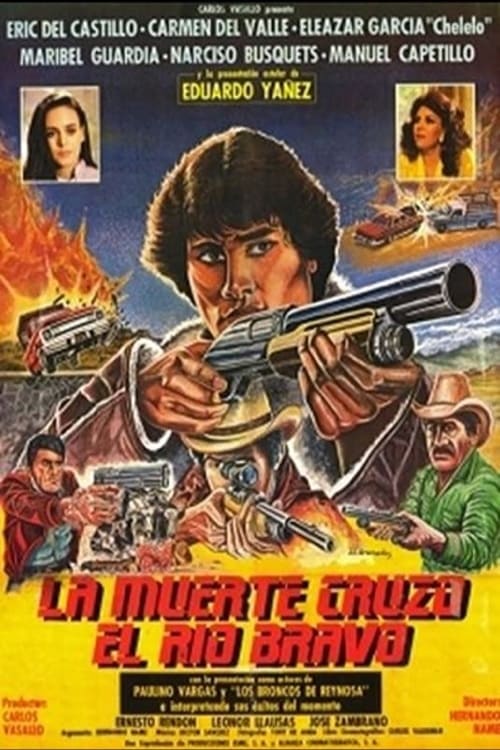
La Muerte Cruzo El Rio Bravo
1984
No user ratings available yet
Representation score: 1.2 out of 10
Representation Score
Limited
1991
18Director
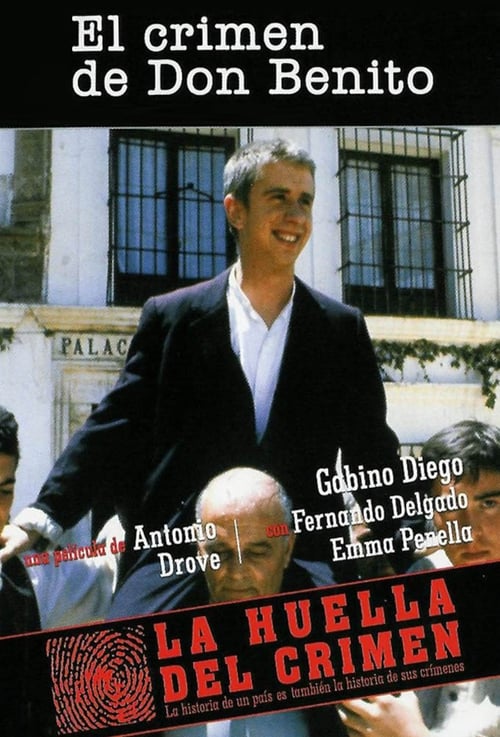
Antonio Drove
Runtime
61 minutes
Average Rating
No ratings yetNew Showbiz Analysis
Antonio Drove uses a 1902 period setting to examine the friction between individual morality and entrenched local hierarchies. The film functions as a social critique of how unchecked authority and systemic corruption can paralyze an entire community. While the film lacks modern multi-layered markers like LGBTQ+ or racial diversity, it provides value by deconstructing traditional power structures. It challenges idealized views of village life by exposing the complicity required to maintain a corrupt status quo. Ultimately, the work focuses on the tension between a predatory town boss and a citizenry silenced by fear, using a brutal crime to highlight social stratification.
Category Breakdown
The film does not include any LGBTQ+ characters or narratives. It focuses on traditional crime and social hierarchy dynamics instead.
A mother and daughter serve as the central victims of a violent crime. While highlighting female vulnerability in a patriarchal structure, these women lack significant control over the story.
Set in 1902 Extremadura, the film reflects the demographic homogeneity of the era. It prioritizes localized class and power struggles over racial diversity.
The narrative critiques traditional local institutions by portraying a town governed by fear. It explores how systemic corruption and communal silence suppress individual truth.
There is no discernible mention or depiction of characters with physical or neurodivergent disabilities within the story.
Present on Screen
Limited or Absent
Official Synopsis
July 18, 1902. A woman and her daughter are brutally murdered in the Extremaduran town of Don Benito. Everybody knows the depraved town boss was responsible, but nobody dares to declare against him.
1984

2018
1950

2014
1988
1999
1961
1951
No reviews yet. Be the first to share your thoughts on this movie!
Use the rating form above to leave a star rating and optional review.