
Greek Pride
1968
No user ratings available yet
Representation score: 2.1 out of 10
Representation Score
Limited
1957
Director
Alekos Sakellarios
Runtime
72 minutes
Average Rating
No ratings yetNew Showbiz Analysis
The film explores the clash between traditionalism and modernity through a domestic setting. It uses a rigid patriarchal structure to show how such systems can hinder social evolution. While the production lacks contemporary diversity, it shows progressive intent for its time. The narrative challenges the 'strict father' archetype through the influence of a modernized female relative. Ultimately, the film uses the returning expatriate cliché to question stagnant social norms and promote a more secular and autonomous worldview.
Category Breakdown
The film follows the traditional social norms of 1957 Greece and does not include any LGBTQ+ narratives or non-straight identities.
Despite focusing on a patriarchal figure, female characters play key roles in driving the narrative. They act as catalysts for change against male-dominated control.
The cast is ethnically uniform, reflecting the period's Greek production. However, a character returning from Chicago introduces a sense of Western cultural diversity.
The film contrasts strict Mediterranean traditions with cosmopolitan values, framing old-world discipline as an obstacle to progress. It highlights the tension between tradition and modernity.
There are no visible or invisible disabilities central to the character arcs or the plot progression.
Present on Screen
Limited or Absent
Official Synopsis
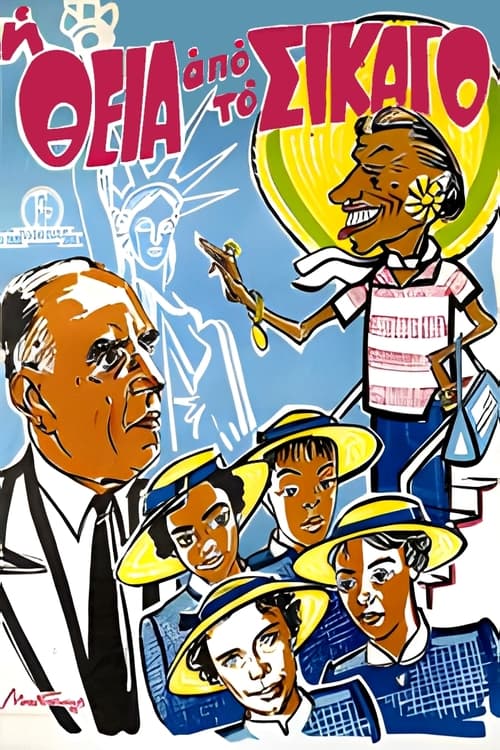
Charilaos (Orestis Makris), a retired officer with very strict and conservative principles, raises his four daughters with... military discipline, taking care of their culture, their appearance and their good behavior. Despite all his desire to marry them, he does not leave them anywhere alone, as a result of which no man approaches them. His wife, Efterpi (Eleni Zafiriou), as well as his friend and neighbor Xenophon (Pantelis Zervos), make remarkable efforts to convince him to change his tactics, but he insists on his very conservative behavior. But when the conversation reaches the well-to-do sister of Kalliopis (Georgia Vassiliadou) who has been living in Chicago, USA for years, everything turns upside down. She returns to Athens and undertakes to modernize the general's house, as well as help the four girls (and her nieces) to be rehabilitated.
1968

1954
1971
1953
1952
1960
1956

1986
No reviews yet. Be the first to share your thoughts on this movie!
Use the rating form above to leave a star rating and optional review.