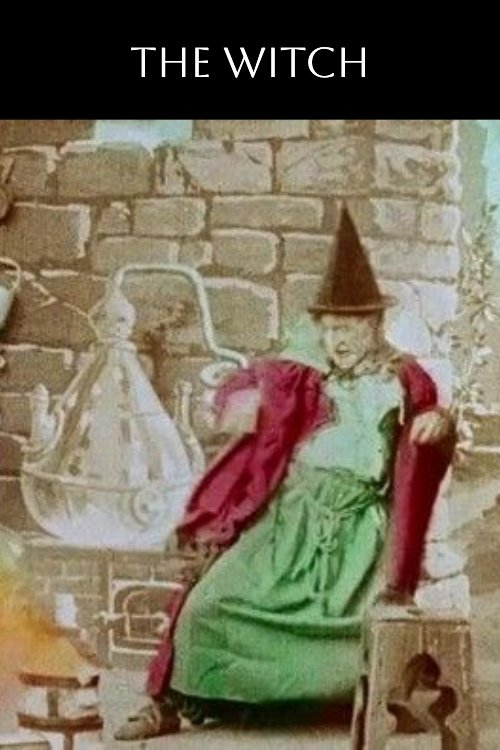
The Witch
1906
No user ratings available yet
Representation score: 1.8 out of 10

Representation Score
Minimal
1914
Director
J. Farrell MacDonald
Runtime
55 minutes
Average Rating
No ratings yetNew Showbiz Analysis
This 1914 fantasy short centers on the mythic creation of a magical cloak within the Oz universe. The storytelling emphasizes escapism and folklore over exploring complex social identities or the overlapping aspects of identity. The film reflects the era's conventional narrative structures, which prioritize straightforward genre adventure. It lacks the intentionality needed to disrupt traditional social hierarchies or provide diverse representation. Ultimately, the work serves as a period-specific example of early silent cinema, focusing on a singular magical concept rather than deconstructing cultural norms.
Category Breakdown
The story revolves around forest fairies creating a magical artifact. There is no indication of LGBTQ+ identities or narratives that question the assumption that everyone is straight or cisgender.
Female fairies suggest a feminine presence, but the film does not challenge traditional gender roles. Female characters are limited to roles of enchantment.
The setting is the mythological forest of Burzee. There is no specific evidence of a non-white cast or intentional use of actors from diverse racial backgrounds.
The film uses folklore-based storytelling. It operates within traditional early 20th-century modes that reinforce established moralities rather than presenting modern social critiques.
There is no documented evidence of characters with visible or invisible disabilities being portrayed with real influence or as central to the story.
Present on Screen
Limited or Absent
Official Synopsis
The fairies of Oz gather in the forest of Burzee one evening and weave a magic cloak that gives the wearer one wish, so long as it has not been stolen.
1906
1934
1991

1959
1914
1997
2004
1964
No reviews yet. Be the first to share your thoughts on this movie!
Use the rating form above to leave a star rating and optional review.