
The Magic Cloak of Oz
1914
No user ratings available yet
Representation score: 0.9 out of 10
Representation Score
Fair
1914
NRDirector
J. Farrell MacDonald
Runtime
66 minutes
Average Rating
No ratings yetNew Showbiz Analysis
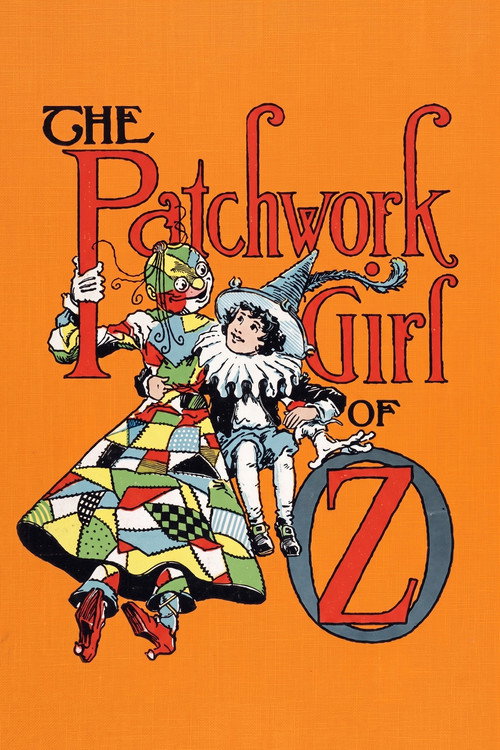
The Patchwork Girl of Oz reflects its historical context, using standard casting conventions and limited demographic representation. It operates mainly as a traditional fantasy adventure within the bounds of 1914 American cinema. Its most forward-thinking aspect is its narrative structure. By placing a female-constructed entity at the center of the plot, the film subtly disrupts the male-centric adventure clichés common in early silent film. While the film delves into themes of creation and ability to act through its magical setting, it remains largely homogeneous and does not explore the complexities of diverse identities as seen in contemporary storytelling.
Category Breakdown
The film doesn't explicitly depict non-straight relationships or same-sex intimacy. Character dynamics follow traditional romantic pairings without challenging the assumption that everyone is straight.
The narrative shifts away from typical patriarchal structures by focusing on the Patchwork Girl. Her creation and actions drive the plot, breaking standard gendered expectations of early adventure cinema.
Following the casting practices of 1914, the film lacks significant racial diversity. The narrative centers on a homogeneous cast within a fantasy setting, without notable characters of color having substantial roles.
The film emphasizes the logic of a magical realm over traditional Western religious structures. It uses alchemical themes like the 'powder of life' without actively criticizing Western institutions.
The Patchwork Girl challenges traditional views of a 'natural' body through her existence as a constructed being. However, the film does not specifically address neurodivergence or chronic illness.
Present on Screen
Limited or Absent
Official Synopsis
Ojo and Unc Nunkie are out of food, so they decide to journey to the Emerald City where they will never starve. Along the way, they meet Mewel, a waif and stray (mule) who leads them to Dr. Pipt, who has been stirring the powder of life for nine years. Ojo adds plenty of brains to Margolotte's Patchwork servant before she is brought to life with the powder. When Scraps does come to life, she accidentally knocks the liquid of petrifaction upon Unc Nunkie, Margolotte, and Danx (daughter Jesseva's boyfriend). So all go on separate journeys to find the ingredients to the antidote.
1914
1934
1914
2022
1984
1982
2000

1985
No reviews yet. Be the first to share your thoughts on this movie!
Use the rating form above to leave a star rating and optional review.