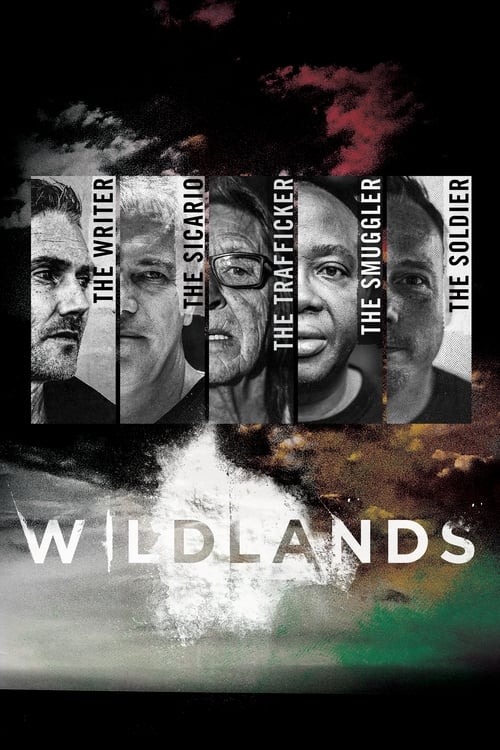
Wildlands
2017
No user ratings available yet
Representation score: 3.5 out of 10

Representation Score
Fair
2019
Director
Violeta Ayala
Runtime
90 minutes
Average Rating
No ratings yetNew Showbiz Analysis
Cocaine Prison succeeds as a social documentary by focusing on the lived experiences of Bolivian subjects rather than abstract criminality. By centering the stories of a cocaine worker, a drug mule, and a sister, the film offers a nuanced look at how the narcotics trade intersects with systemic socioeconomic pressures. The film's main strength lies in its refusal to adopt a Western-centric perspective. Instead, it gives real power to local voices, allowing them to define their own relationship with the industry and the carceral system. However, the documentary lacks representation in several key areas, such as LGBTQ+ themes and disability representation, which limits its multi-layered breadth.
Category Breakdown
The film does not feature any LGBTQ+ characters or themes. It focuses solely on the socioeconomic aspects of the cocaine trade.
Including a little sister in the central narrative helps the film move beyond traditional masculine depictions of the drug trade. This inclusion disrupts the usual gendered hierarchies within the criminal underworld.
The documentary gives high ability to act to local Bolivian subjects. It centers non-Western perspectives, avoiding the typical outsider gaze often found in Global North narratives about narcotics.
The film frames the drug trade as a complex result of systemic economic pressures rather than a simple moral failing. It explores the nuances of survival within oppressive structures.
There is no indication of characters with visible or invisible disabilities within the film's context.
Present on Screen
Limited or Absent
Official Synopsis
From inside Bolivia's craziest prison a cocaine worker, a drug mule and his little sister reveal the countries relationship with cocaine.
2017
2012
2016

2021
2005
2022
1995

2006
No reviews yet. Be the first to share your thoughts on this movie!
Use the rating form above to leave a star rating and optional review.