
Dope Sick Love
2005
No user ratings available yet
Representation score: 4.5 out of 10
Representation Score
Good
1995
PG-13Director
Maryann DeLeo, Richard Farrell, Jon Alpert
Runtime
60 minutes
Average Rating
No ratings yetNew Showbiz Analysis
This documentary prioritizes social realism over identity-based storytelling. It succeeds by deconstructing traditional Western stability and highlighting the intersection of poverty, mental health, and institutional neglect. While the film lacks explicit representation for LGBTQ+ or specific ethnic subversion, it provides a profound critique of how institutions fail vulnerable citizens. The focus remains on systemic victimhood and the breakdown of conventional social structures.
Category Breakdown
The film does not include any explicit LGBTQ+ narratives or characters. There is no evidence of queer-coded subtext or non-straight relationships among the documented subjects.
The narrative centers on a collective struggle with addiction that blurs traditional gender roles. It avoids reinforcing stable masculine archetypes by focusing on individuals facing extreme instability.
The documentary captures the socioeconomic realities of a diverse, low-income urban community in Lowell. It avoids homogeneous clichés by presenting a fractured, multi-faceted landscape shaped by poverty.
The film critiques systemic failures within Western urban structures and capitalist models. It frames addiction as a symptom of institutional decay rather than mere criminality.
The documentary provides significant visibility to mental health struggles and the physical toll of substance abuse. It grants subjects real power by presenting their health crises with unromanticized realism.
Present on Screen
Limited or Absent
Official Synopsis
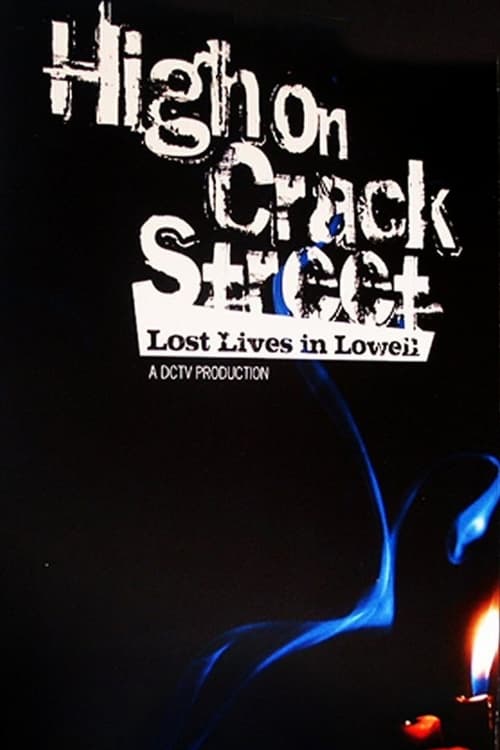
Documents 18 months in the lives of three crack addicts in Lowell, Massachusetts.
2005
2012
2005

2000
2005

2022
2000

2021
No reviews yet. Be the first to share your thoughts on this movie!
Use the rating form above to leave a star rating and optional review.