
Cocaine Prison
2019
No user ratings available yet
Representation score: 4.2 out of 10
Representation Score
Limited
2017
Director
Colin Offland
Runtime
95 minutes
Average Rating
No ratings yetNew Showbiz Analysis
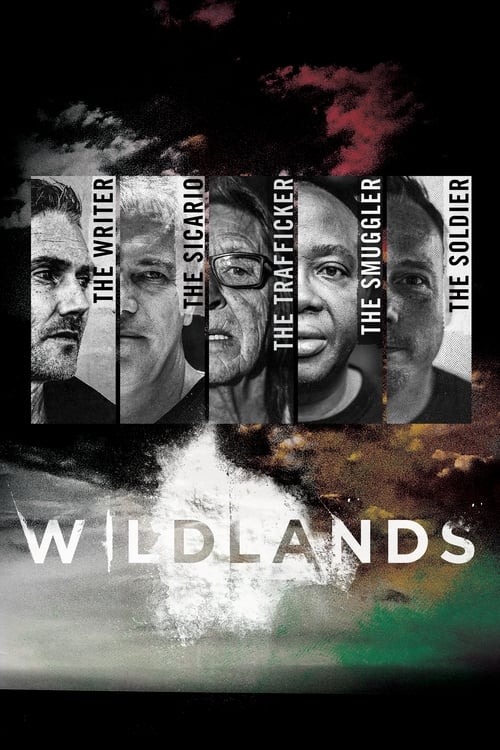
Wildlands functions primarily as a socio-political critique rather than a vehicle for diverse identity politics. Its main strength lies in deconstructing simplified 'War on Drugs' narratives through a systemic lens. By centering the narrative on the consequences of global trade within a non-Western geography, the film disrupts conventional Western perspectives and offers a more nuanced understanding of power dynamics. However, the overall score is reduced due to a lack of focus on gender, LGBTQ+ identities, and disability representation. The documentary remains centered on investigative inquiry and criminal phenomena.
Category Breakdown
The documentary does not focus on LGBTQ+ identities. Instead, it centers on geopolitical and criminal structures.
The narrative focuses on Rusty Young’s perspective and male-dominated environments. There is no emphasis on women's ability to drive the story or challenging gender hierarchies.
The Bolivian setting highlights indigenous and Latin American populations, moving away from Anglo-centric views to examine local realities.
The film challenges Western-centric narratives by examining the systemic drivers of global capitalism and critiquing how Western drug demand affects South American societies.
There is no focus on disability or neurodivergence. The film does not address these elements within its investigative framework.
Present on Screen
Limited or Absent
Official Synopsis
Rusty Young, author of the best-selling novel Marching Powder, returns to Bolivia to uncover the brutal realities of the international cocaine trade.
2019
2012
2008
2021
2016
2022
2016
2015
No reviews yet. Be the first to share your thoughts on this movie!
Use the rating form above to leave a star rating and optional review.