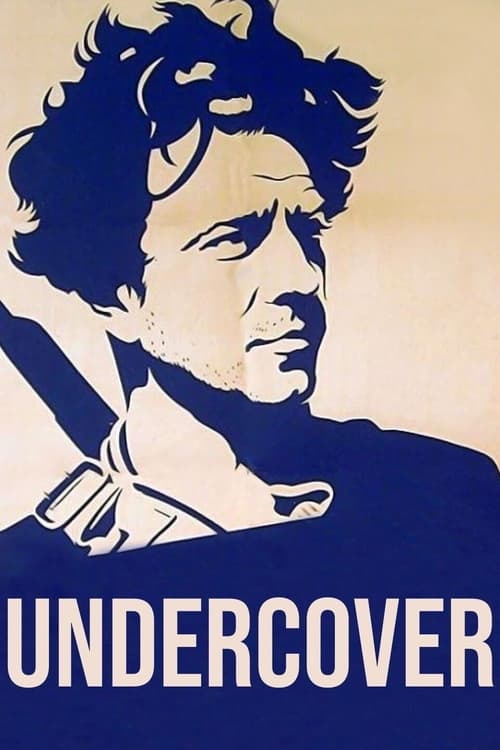
Undercover
1943
No user ratings available yet
Representation score: 1.8 out of 10
Representation Score
Minimal
1963
Director
Nikola Tanhofer
Runtime
96 minutes
Average Rating
No ratings yetNew Showbiz Analysis
The film opens on a stark, high-contrast black-and-white landscape of the Croatian hinterland, establishing a tone of inescapable social confinement rather than adventure. This visual isolation mirrors the film’s central argument: that the rural village is a self-contained hierarchy where physical strength and local social capital are the only currencies that matter. The camera grants beauty lighting and contemplative shots to Marija, treating her as the moral barometer, but she remains the prize in a contest between Tomo, the rugged local strongman, and the educated outsiders who are mocked as ineffective against raw, local power. The sold meaning is a critique of how patriarchal structures consume individual agency, yet the film’s internal logic ultimately affirms the very system it depicts. Tomo’s "victory" is not liberation but absorption into the existing order; he secures his position by conforming to the village’s unwritten rules, while the older generation’s manipulation goes unpunished. The last image emphasizes the rigid, unyielding structure of this hierarchy, rewarding conformity over individual moral purity. In the context of Yugoslav "Black Wave" cinema, the film uses the specific, recognizable types of the village to show that "progress" or outside influence is impotent against deep-seated local traditions. The moral verdict is that there is no escape; the system consumes everyone, and the only way to survive is to master its game, even at the cost of one’s own individuality.
Category Breakdown
The narrative is strictly heterosexual, framing intimacy exclusively through the lens of wartime survival and traditional courtship. No same-sex relationships, queer identities, or non-normative sexual dynamics appear on screen.
Marija is the moral barometer and object of male struggle, yet her agency is confined to endurance within a rigid domestic structure. Men hold all physical and bureaucratic power; Tomo’s strength is his primary asset, while Marija’s value is tied to her marital status and the village’s social order.
The cast is entirely Croatian, reflecting the homogeneous rural setting of the 1941 uprising. No racial or ethnic outsiders are depicted; "otherness" is defined solely by class (educated vs. rural) and political allegiance, not race.
The film treats the village hierarchy, Catholic social norms, and male authority as the inescapable, authentic fabric of life. The "victory" is absorption into this existing order, not liberation from it; the older generation’s power remains unchallenged and unpenalized.
No characters are depicted with physical, sensory, or cognitive impairments. The body is treated as a site of social power where physical strength is the norm, with no exploration of deviation or disability.
Present on Screen
Limited or Absent
Official Synopsis
Treachery and escape from agents provocateurs of underground workers among the early days of national rising in Croatia.
1943

1943
1960

1969
1957
1945

1975
1966
No reviews yet. Be the first to share your thoughts on this movie!
Use the rating form above to leave a star rating and optional review.