The Squaw Path
1967
No user ratings available yet
Representation score: 3.7 out of 10
No Poster Available
Representation Score
Minimal
1964
GDirector
Art Bartsch
Runtime
6 minutes
Average Rating
No ratings yetNew Showbiz Analysis
Peace Pipe operates within the traditional constraints of 1960s animation, prioritizing a standard survival narrative over nuanced representation. The plot centers on Hector, a character navigating Indian territory to ensure his own physical safety. The film’s reliance on a sacred cultural object as a tool for a protagonist’s survival suggests a framework of cultural reductionism. Instead of exploring indigenous autonomy, the narrative uses the setting as a backdrop for frontier survivalism. Ultimately, the work lacks depth in representing multiple aspects of diversity, failing to include LGBTQ+ identities, diverse gender roles, or characters with disabilities.
Category Breakdown
The film does not include any LGBTQ+ characters or narratives about non-cisgender identities. There is no representation of queer themes or LGBTQ+ stories.
The story focuses on a single male protagonist named Hector. It does not show diverse gender roles or challenge traditional gender hierarchies.
The setting is Indian territory, but the narrative centers on a non-indigenous character. This approach risks using the indigenous setting merely as a backdrop for a colonial survival story.
The peace pipe is used as a transactional plot device for survival. This suggests cultural reductionism rather than treating indigenous customs as autonomous expressions.
There is no mention of characters with visible or invisible disabilities. The film does not address neurodivergence or mental health conditions.
Present on Screen
Limited or Absent
Official Synopsis
Hector is operating a rolling store in Indian territory. He ends up having to smoke a peace pipe in order to save his scalp.
1967
1966
1964
1949
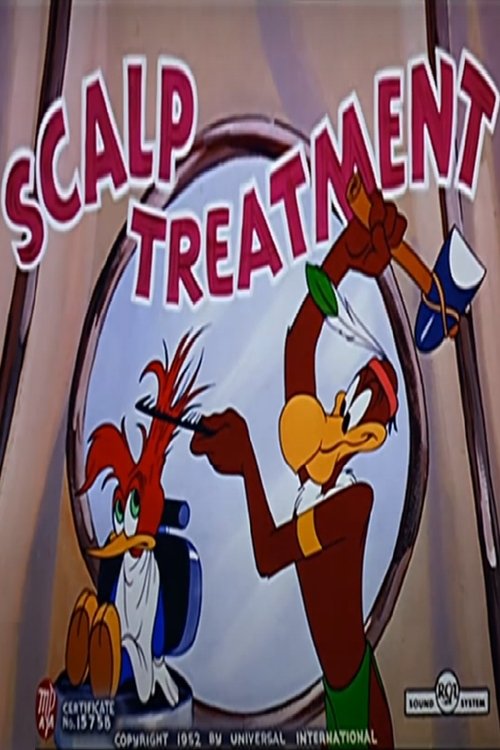
1952
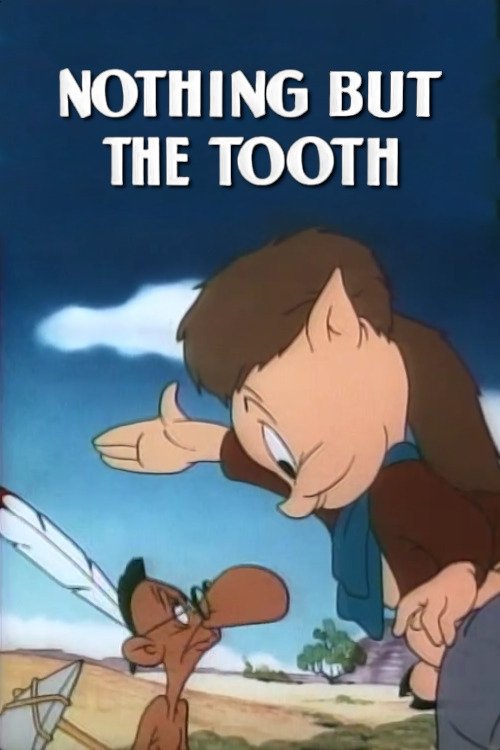
1948
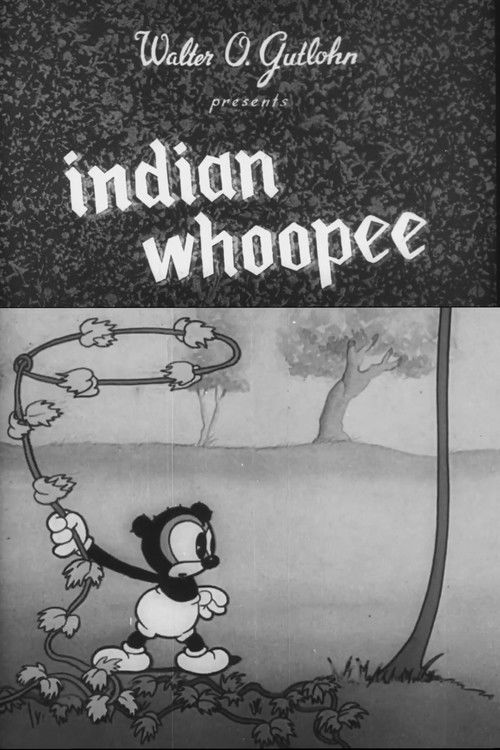
1933
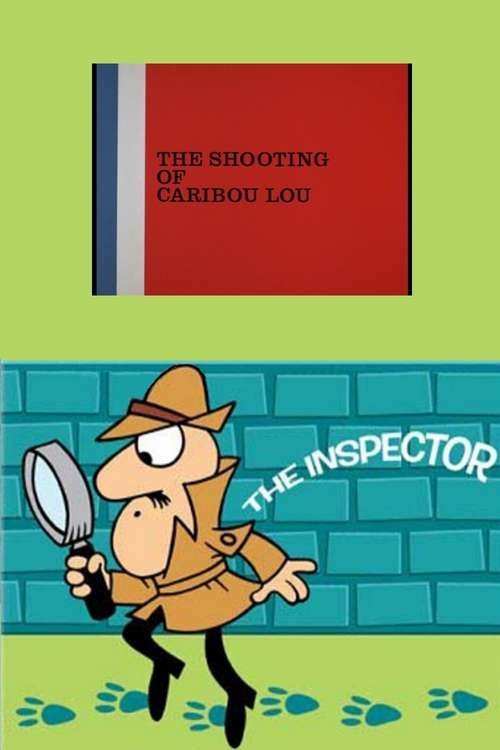
1967
No reviews yet. Be the first to share your thoughts on this movie!
Use the rating form above to leave a star rating and optional review.