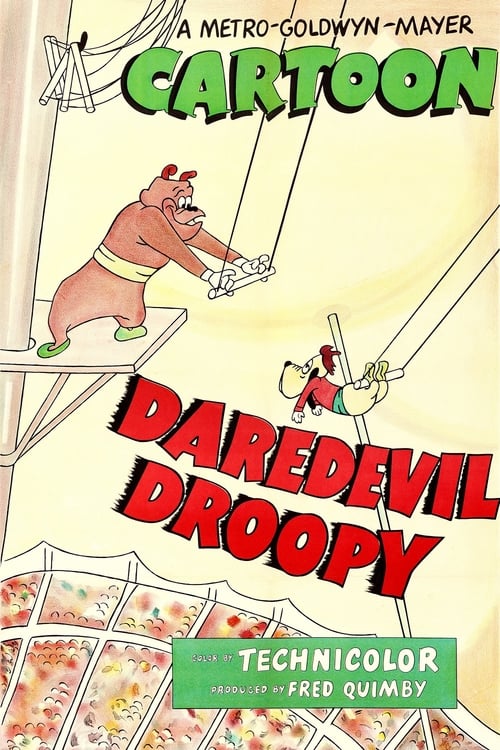
Daredevil Droopy
1951
No user ratings available yet
Representation score: 1.6 out of 10
Representation Score
Minimal
1951
ApprovedDirector
Tex Avery
Runtime
7 minutes
Average Rating
No ratings yetNew Showbiz Analysis
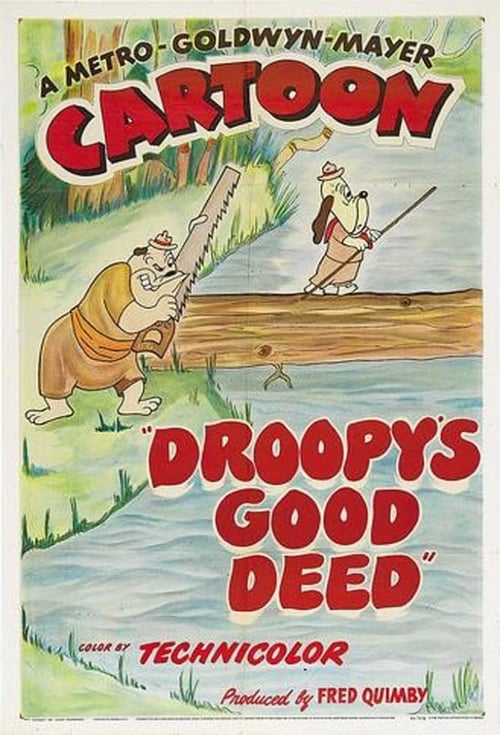
Droopy's Good Deed is a product of its era, prioritizing physical humor and surreal pacing over social complexity. The narrative relies on established comedic clichés that do not seek to disrupt or expand upon the social hierarchies of the 1950s. The use of anthropomorphic animals abstracts the characters from human racial and ethnic contexts. While this avoids direct human stereotypes, it also results in a lack of demographic breadth or cultural depth. Ultimately, the film is a traditionalist piece of animation. It focuses on a singular, masculine-coded competitive environment that offers no engagement with gender, sexual identity, or disability.
Category Breakdown
The film does not depict any non-straight relationships. The interactions between the anthropomorphic dogs are focused on competitive slapstick and physical gags.
The cast is made up of male-coded characters. The narrative lacks female characters or any challenge to traditional gender roles within its competitive environment.
Anthropomorphic animals are used to abstract the story from human racial contexts. While avoiding human stereotypes, the film lacks meaningful representation of diverse cultures and backgrounds.
The story operates within a conventional mid-century comedic framework. It functions as self-contained entertainment without engaging in systemic critiques or challenging Western institutions.
No characters are portrayed with visible or invisible disabilities. The comedy relies on exaggerated cartoon physics rather than the lived experiences of disabled individuals.
Present on Screen
Limited or Absent
Official Synopsis
Hobo Spike pretends to be a boy to compete with Scout Droopy for the title of Best Scout and a trip to meet the President.
1951
1951
1950
1950
1955
1947
1938
1953
No reviews yet. Be the first to share your thoughts on this movie!
Use the rating form above to leave a star rating and optional review.