Fifteen and Pregnant
1998
No user ratings available yet
Representation score: 4.2 out of 10
Representation Score
Excellent
2025
TV-PGDirector
Brianne Nord-Stewart
Runtime
90 minutes
Average Rating
No ratings yetNew Showbiz Analysis
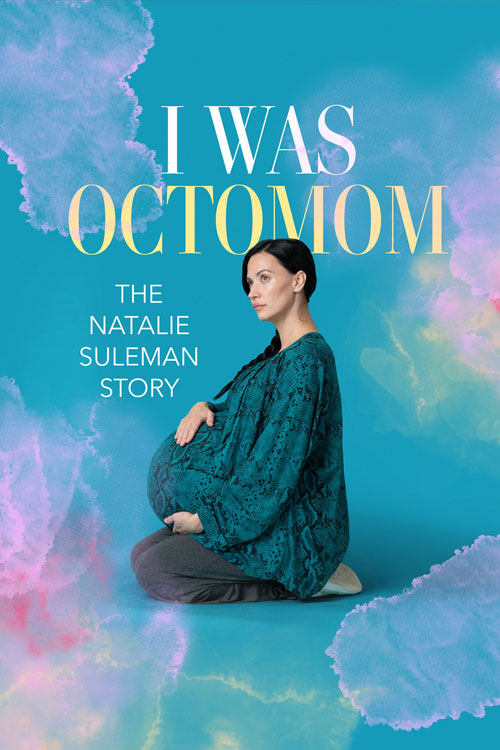
The film aims to reclaim a woman's ability to act from the sensationalism of tabloid media. It shifts the focus from a public spectacle to a structured biographical drama centered on personal choice and survival. While the narrative successfully disrupts traditional gender hierarchies and critiques institutional media scrutiny, it remains somewhat neutral regarding specific LGBTQ+ identities. The focus is primarily on the complexities of a large, non-traditional family unit. Ultimately, the work serves as a critique of how societal norms penalize unconventional domestic lives. It offers a more nuanced look at a woman's lived experience than the media previously allowed.
Category Breakdown
The film examines non-traditional family structures that challenge the idea that everyone is straight or cisgender. However, it does not explicitly confirm any queer identities or develop specific character arcs related to LGBTQ+ experiences.
The story focuses on the resilience and emotional endurance of the main character, emphasizing her ability to act and reproductive autonomy. It prioritizes her perspective over patriarchal judgments or male-driven viewpoints.
By centering on Natalie Suleman, the film provides a platform for storytelling that reflects multiple aspects of identity. This shifts the biographical focus away from a monolithic Anglo-Saxon experience.
The narrative critiques the predatory nature of tabloid capitalism and the media-industrial complex. It also challenges Western ideals regarding the traditional nuclear family unit.
The film may touch upon the mental health stressors caused by extreme media scrutiny. Currently, there is no explicit detail regarding physical or neurodivergent disabilities.
Present on Screen
Limited or Absent
Official Synopsis
The movie follows Suleman’s journey starting from her decision to have one more IVF procedure to complete her then family of six, to becoming a mother of 14, having survived her life being torn apart by the tabloid media.
1998

2022
1993

1992
1978

1996

2025
1977
No reviews yet. Be the first to share your thoughts on this movie!
Use the rating form above to leave a star rating and optional review.