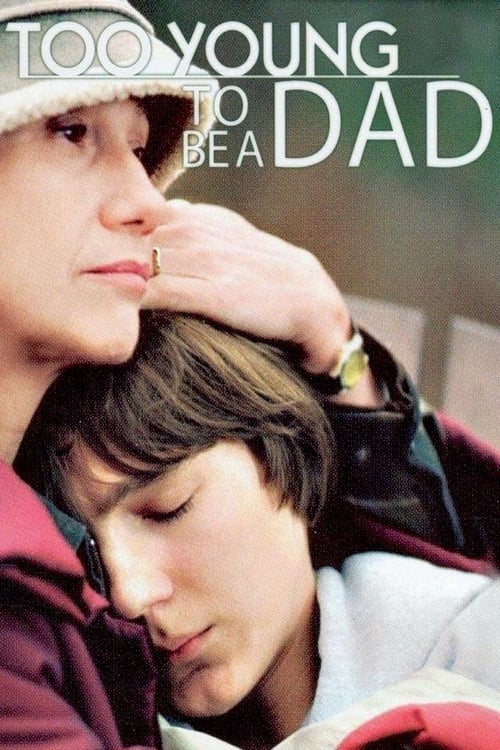
Too Young to Be a Dad
2002
No user ratings available yet
Representation score: 4.7 out of 10
Representation Score
Fair
1998
NRDirector
Sam Pillsbury
Runtime
96 minutes
Average Rating
No ratings yetNew Showbiz Analysis
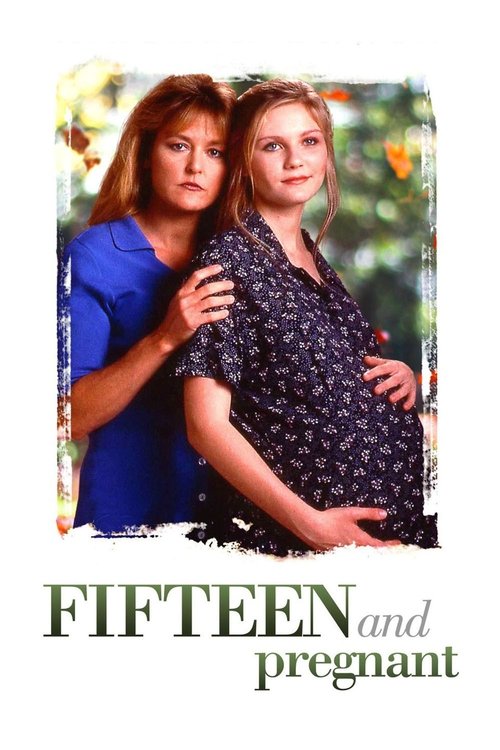
Fifteen and Pregnant is a traditional social drama that finds its strength in portraying female resilience. By centering the narrative on Tina’s ability to drive the story, the film shifts the locus of power away from the male characters who abandon her. However, the film lacks depth in reflecting multiple aspects of diversity. It operates within a very narrow, homogeneous social landscape that fails to engage with perspectives on race, queer identities, or disability. The story reinforces a conventional suburban framework rather than exploring broader systemic issues. Ultimately, while the film offers a nuanced look at adolescent gendered pressures, its lack of diversity limits its scope to a singular, traditional narrative of familial reconciliation.
Category Breakdown
The film focuses on a crisis centered around the assumption that everyone is straight or cisgender. There is no evidence of diverse gender identities or same-sex relationships.
The story challenges traditional gender roles by highlighting the resilience and ability to act of female characters. Tina and her mother take leading roles after being abandoned by the male protagonist.
The cast is predominantly white and middle-class, lacking significant minority representation or depth in reflecting multiple aspects of diversity.
The narrative emphasizes familial cohesion and personal morality. It leans towards restoring traditional family structures without critically examining them.
There is no evidence of characters with visible or invisible disabilities. The focus remains strictly on the physical aspects of teenage pregnancy.
Present on Screen
Limited or Absent
Official Synopsis
Based on a true story, 15 year old Tina Spangler discovers she is pregnant. Her choices are abortion, adoption, or a lonely, exhausting life as a single parent. Abandoned by her boyfriend, she turns to her mother. Tina discovers although it has torn her world apart, her pregnancy could re-unite her shattered family and help her find her true purpose in life.
2002

1989

2016

2009
1987

2013

1993

2020
No reviews yet. Be the first to share your thoughts on this movie!
Use the rating form above to leave a star rating and optional review.