9
2009
No user ratings available yet
Representation score: 5.8 out of 10
Representation Score
Fair
2005
Not RatedDirector
Shane Acker
Runtime
11 minutes
Average Rating
No ratings yetNew Showbiz Analysis
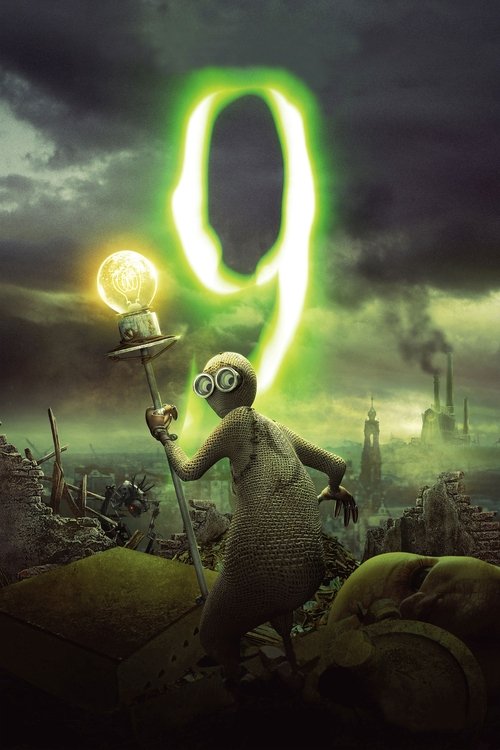
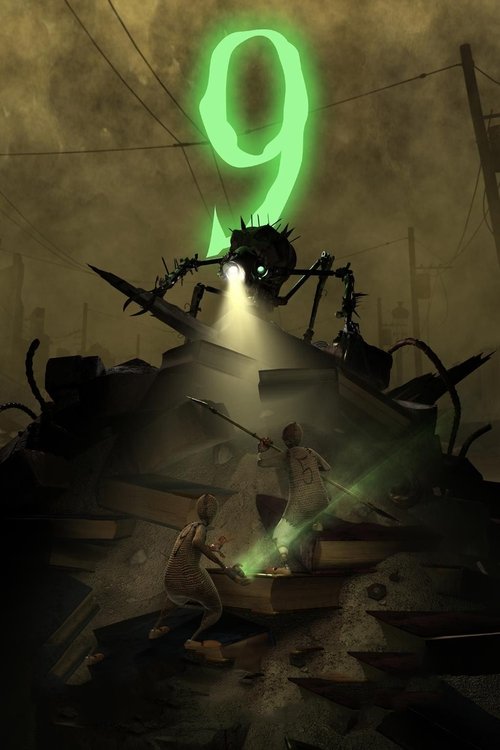
In Shane Acker’s *9*, traditional demographic markers such as race, ethnicity, and sexual orientation are absent because the characters are mechanical beings. By removing human structures like family and religion, the film abstracts identity politics. The score reflects a work that avoids identity-based storytelling, focusing instead on a primal struggle for existence in a post-human world.
Category Breakdown
The film doesn't depict any characters based on sexual orientation or gender identity. Instead, it focuses on the struggle for survival among mechanical beings.
Characters are portrayed as functional entities without gender, avoiding typical masculine and feminine roles. Biological sex is irrelevant here.
The cast includes non-humanoid machines, so there's no direct representation of race or ethnicity. The design uses mismatched parts but doesn't tell a specific ethnic story.
The film presents a world where traditional religious and capitalist institutions don't exist, focusing instead on a state of pure survival.
Characters are made up of scavenged parts, symbolizing a fractured existence. However, there are no stories centered around specific physical or neurological conditions.
Present on Screen
Limited or Absent
Official Synopsis
A rag doll fights a monster that has been stealing the souls of his people.
2009

2006
2004

2006

2003

2007

1992
2015
No reviews yet. Be the first to share your thoughts on this movie!
Use the rating form above to leave a star rating and optional review.