
The Second Renaissance Part II
2003
No user ratings available yet
Representation score: 8.8 out of 10
Representation Score
Excellent
2017
PG-13Director
Shinichiro Watanabe
Runtime
16 minutes
Average Rating
No ratings yetNew Showbiz Analysis
Shinichiro Watanabe directs a sophisticated exploration of power dynamics. The film uses the 'Blackout' event to challenge conventional social hierarchies and the sanctity of corporate governance. Its strength lies in a systemic critique of Western structures. By depicting the collapse of capitalism and authority, the story facilitates a narrative of rebellion for the underrepresented. While the film lacks overt identity-based clichés, it provides deep metaphorical layers. It successfully uses the replicant uprising to explore the reclamation of ability to act against a rigid caste system.
Category Breakdown
The film maintains a cyberpunk aesthetic that suggests alternative social structures. However, it lacks explicit, character-driven stories or overt depictions of same-sex relationships.
Characters operate in a survivalist environment where traditional domestic roles are irrelevant. This focus on raw ability to act deconstructs the protector/protected binary found in typical action movies.
The setting presents a diverse, multi-cultural melting pot rather than a homogeneous society. Replicants serve as a metaphor for a disenfranchised, multi-ethnic underclass facing systemic inequality.
The narrative critiques traditional Western institutions and corporate-controlled social orders. It frames the collapse of capitalism as a necessary disruption of an oppressive status quo.
Representation centers on the biological limitations and synthetic disabilities of the replicant body. These elements often function as markers of systemic victimhood rather than independent ability to act.
Present on Screen
Limited or Absent
Official Synopsis
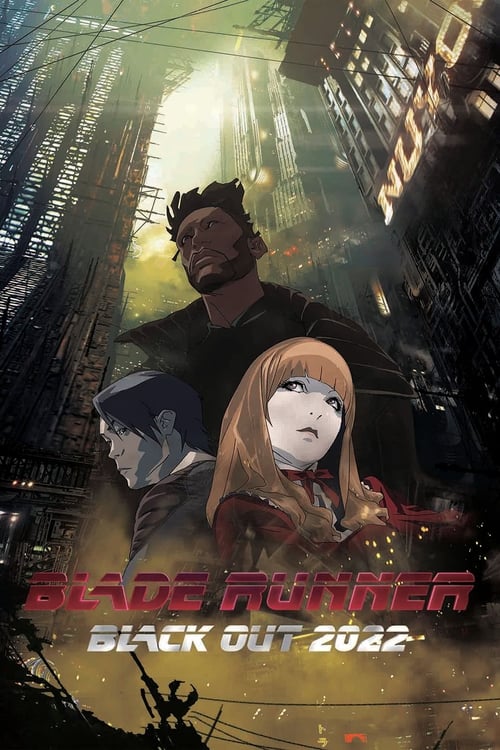
This animated short revolves around the events causing an electrical systems failure on the west coast of the US. According to Blade Runner 2049’s official timeline, this failure leads to cities shutting down, financial and trade markets being thrown into chaos, and food supplies dwindling. There’s no proof as to what caused the blackouts, but Replicants — the bio-engineered robots featured in the original Blade Runner, are blamed.
2003
2015

2003

2006
2012
2010
2003

2009
No reviews yet. Be the first to share your thoughts on this movie!
Use the rating form above to leave a star rating and optional review.