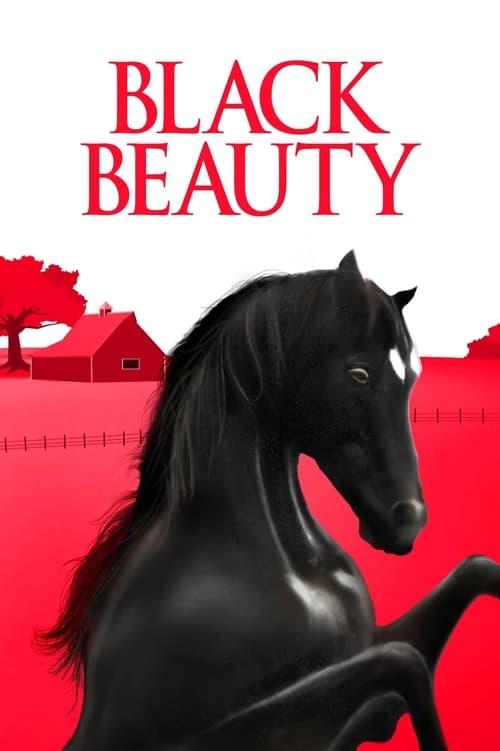
Black Beauty
1971
No user ratings available yet
Representation score: 2.4 out of 10
Representation Score
Minimal
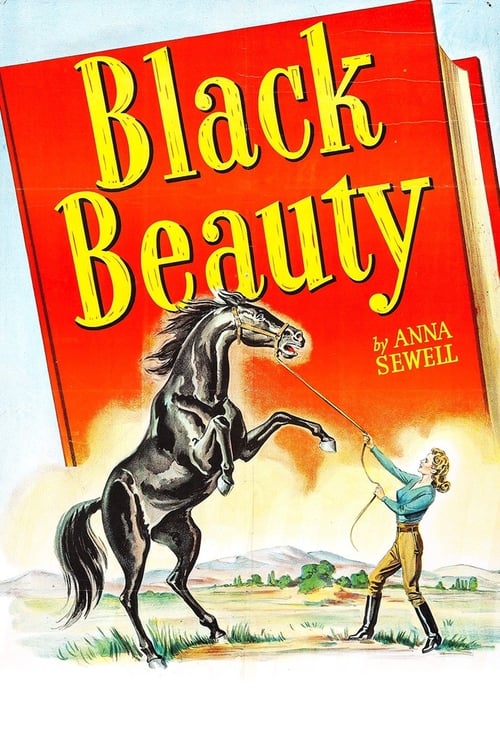
1946
PassedDirector
Max Nosseck
Runtime
74 minutes
Average Rating
No ratings yetNew Showbiz Analysis
Black Beauty (1946) is a period drama that emphasizes traditional moral storytelling over modern representation. The narrative upholds established social hierarchies and focuses on individual ethical responsibilities. The film operates as a moral fable about treating animals ethically. However, it does so within a conventional framework that does not challenge the societal norms of its time. Overall, the production reflects the mid-century studio filmmaking style, highlighting character virtue and traditional family stability over social deconstruction.
Category Breakdown
The film does not include any LGBTQ+ characters or stories that challenge traditional heterosexual relationships. It focuses solely on the domestic life of 19th-century England.
Gender roles follow traditional hierarchies. Anne serves as an emotional focal point, but her influence is constrained by her father’s patriarchal authority and commands.
The story presents a uniform Anglo-Saxon society. It emphasizes the socioeconomic divisions within rural England without addressing racial diversity.
The film acts as a moral fable centered on empathy and responsibility. It reinforces traditional values of kindness and duty through individual actions.
There are no characters with visible or invisible disabilities. Such characters are not used as narrative devices in the story.
Present on Screen
Limited or Absent
Official Synopsis
Based on Anna Sewell's novel. In rural England of the 1880's, widower Squire Wendon is rearing his young daughter Anne. Her father has forbidden her to be present when their mare, "Duchess," gives birth. Anne sneaks out to the stable, however, and is discovered by her father who forbids her ever to ride Duchess again. Despite this punishment, he gives Anne Duchess's colt because it is her birthday, and she names him "Black Beauty."
1971
1945
1953
1946
2006
1994

1978

2020
No reviews yet. Be the first to share your thoughts on this movie!
Use the rating form above to leave a star rating and optional review.