
National Velvet
1945
No user ratings available yet
Representation score: 1.4 out of 10
Representation Score
Limited
1978
PGDirector
Martin Ritt
Runtime
117 minutes
Average Rating
No ratings yetNew Showbiz Analysis
Casey's Shadow is a period-specific psychological drama that prioritizes historical realism over progressive representation. It captures the internal world of a young boy within a rural, working-class 1930s environment. The film adheres strictly to the demographic and social structures of its time. While it offers a nuanced study of childhood and family communication, it does not challenge established social, racial, or gender hierarchies. Ultimately, the narrative functions as a traditionalist study of mid-century American archetypes, providing depth through psychological tension rather than through diverse or perspectives that reflect multiple aspects of identity.
Category Breakdown
The film does not include any visible LGBTQ+ characters or narratives. It presents a conventional social framework without any hints of queer lived experiences.
Gender roles adhere to 1930s social expectations without challenging traditional hierarchies. The narrative centers on domestic frameworks and does not deconstruct patriarchal leadership.
The cast and community are predominantly white, reflecting the 1930s Midwestern setting. There is no attempt to diversify casting or use metaphorical species to address racial dynamics.
The story is grounded in Great Depression-era Midwestern values. It portrays the family and local community as primary social institutions without offering systemic critiques.
The film examines psychological distress and a child's internal struggles. However, these elements serve as personal drama rather than providing ability to act-driven representations of disability.
Present on Screen
Limited or Absent
Official Synopsis
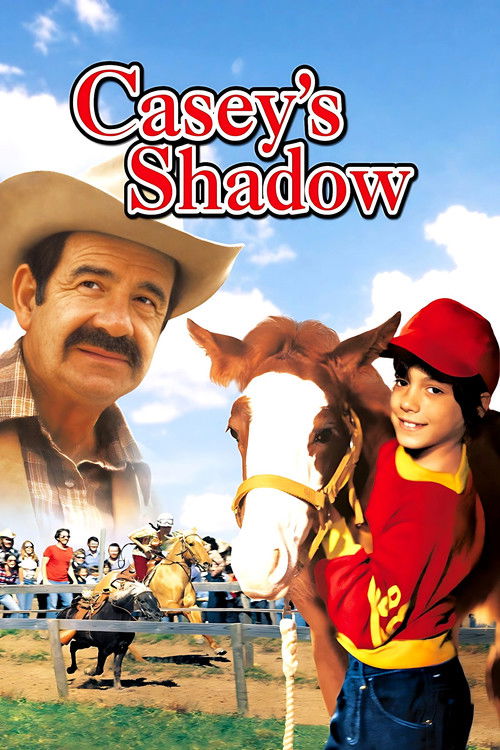
Young Casey comes from a family of racehorse trainers, and his best friend, a foal called Casey's Shadow, may just be a champion.
1945
1991
1985
1946

2005

1979

1995

2005
No reviews yet. Be the first to share your thoughts on this movie!
Use the rating form above to leave a star rating and optional review.