
A Tender Place
2001
No user ratings available yet
Representation score: 7.0 out of 10
Representation Score
Excellent
2006
Director
Takahisa Zeze
Runtime
95 minutes
Average Rating
No ratings yetNew Showbiz Analysis
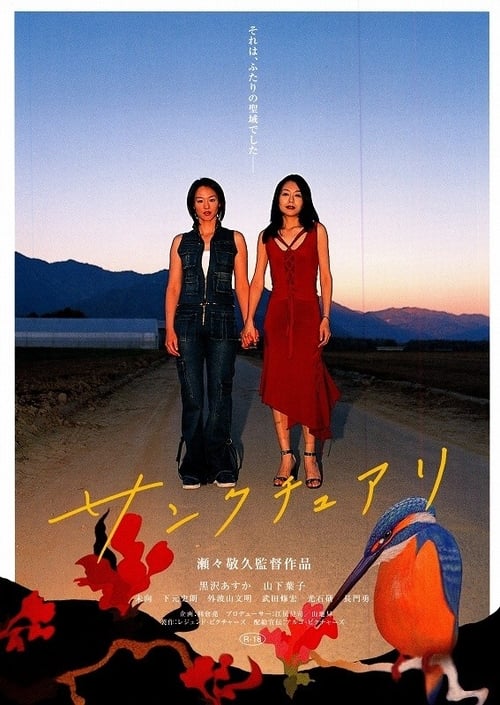
Takahisa Zeze’s *Sanctuary* is a sophisticated critique of social institutions, focusing on identity politics and postmodern themes. The film effectively challenges modern capitalist alienation and the spiritual void of urban life. While it offers a progressive perspective on intimacy and non-traditional social structures, its localized Japanese setting limits its broad appeal to diverse audiences. The film succeeds by highlighting underrepresented identities and the challenges they face.
Category Breakdown
The film explores intimacy through unconventional social bonds that go beyond traditional heterosexual relationships. It highlights connections that exist outside typical domestic settings.
Characters are shaped by their psychological journey through urban isolation rather than fixed roles. This approach breaks down traditional hierarchies by emphasizing complex, evolving interpersonal relationships.
As a Japanese film, it focuses on social divisions within Japan. It examines the idea of the 'other' within the unique context of Japanese society.
The narrative criticizes the spiritual emptiness of urban life caused by capitalism. It favors community-based, non-traditional structures over established Western social models.
The film delves into the theme of urban alienation, using it as a backdrop to explore mental health and neurodivergence. These elements are central to understanding the human condition.
Present on Screen
Limited or Absent
Official Synopsis
A child suddenly disappears in a small village and his mother desperately searches for clues.
2001

2001

2003
1957

2024
2004

2019

2021
No reviews yet. Be the first to share your thoughts on this movie!
Use the rating form above to leave a star rating and optional review.