
24 Hours in the Life of a Woman
2002
No user ratings available yet
Representation score: 5.2 out of 10

Representation Score
Fair
1968
Not RatedDirector
Dominique Delouche
Runtime
84 minutes
Average Rating
No ratings yetNew Showbiz Analysis
The film stands out by emphasizing women's ability to drive the story and moral relativism. It places a widow in a transient, high-stakes environment, moving her beyond traditional domestic roles into a realm of spontaneous decision-making. However, the film's Eurocentric scope limits its representation of diverse identities. While it challenges gender stereotypes of the 1960s, it does not extend its social lens to include racial or LGBTQ+ perspectives. Ultimately, the film explores personal autonomy, favoring subjective morality and individual choice over institutional authority, offering a moderate level of progressive engagement for its time.
Category Breakdown
The story focuses on a heterosexual relationship between Alice and Thomas. It does not explicitly address non-cisgender identities or challenge the assumption that everyone is straight.
Alice is a strong female lead who overcomes financial and logistical obstacles. She challenges traditional stereotypes by actively helping a fugitive escape instead of remaining passive.
The film features a mostly European cast, including characters from France, Italy, and Germany. There is no significant racial blending or non-white representation.
The narrative emphasizes individual impulses and situational ethics over state laws. It frames a deserter as a character worth protecting, challenging traditional views of civic duty.
There is no information available about characters with visible or invisible disabilities.
Present on Screen
Limited or Absent
Official Synopsis
Alice, a widowed Frenchwoman, goes on a vacation to Italy. Upon her return, she relates the particulars of her holiday. Within a 24-hour time frame, Alice gets on the wrong boat, winds up in Switzerland where she whiles away the hours at a casino, meets a handsome young German army deserter named Thomas, spends the night with her new acquaintance, pays his sizeable gambling debts, and helps him elude the authorities...
2002

1974

1980

1962

1968

1955

1951
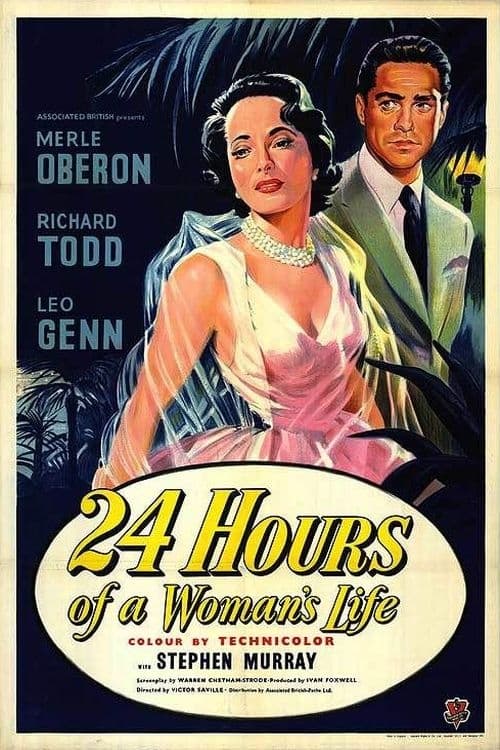
1952
No reviews yet. Be the first to share your thoughts on this movie!
Use the rating form above to leave a star rating and optional review.