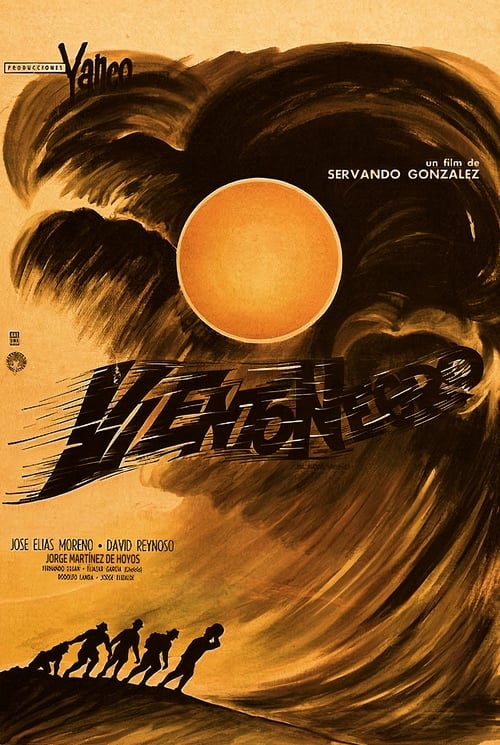
Black Wind
1965
No user ratings available yet
Representation score: 3.5 out of 10
Representation Score
Fair
1987
Director
Servando González
Runtime
110 minutes
Average Rating
No ratings yetNew Showbiz Analysis
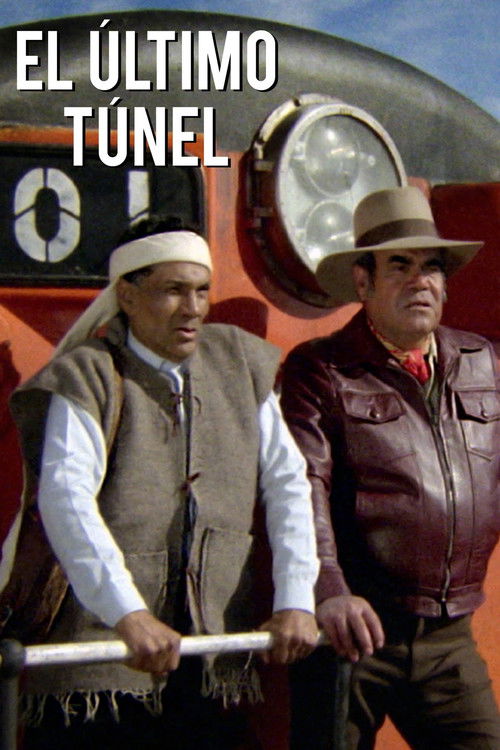
El último túnel is a traditional drama that prioritizes regional authenticity and critiques institutional corruption over diverse identity markers. It operates as a localized character study within a high-stakes, male-dominated environment. The film succeeds in offering a culturally grounded narrative through its Mexican cast, reflecting the specific socio-cultural context of the setting. However, it adheres strictly to conventional gender and orientation norms of its time. Ultimately, the film's reliance on patriarchal structures and the absence of diverse identity markers result in a narrow social scope, focusing primarily on interpersonal dynamics between male protagonists.
Category Breakdown
The film does not depict any non-straight or non-cisgender identities, nor does it show any same-sex relationships. The story focuses on traditional heterosexual family structures and social hierarchies.
This drama emphasizes male characters and their power struggles. The lack of influential female characters reinforces traditional male-dominated structures.
The film features a predominantly Mexican cast that fits the geographical setting, providing a culturally specific perspective that avoids whitewashing.
The story criticizes institutional power and the corruption within state-run authorities. It examines the breakdown of social norms within a restrictive, lawless internal hierarchy.
There are no characters with visible or invisible disabilities playing central roles. The focus is on psychological and socioeconomic issues rather than disability.
Present on Screen
Limited or Absent
Official Synopsis
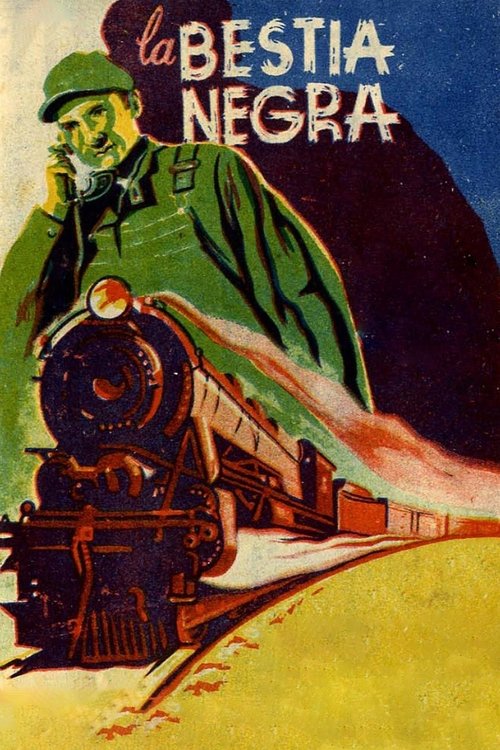
The engineer Manuel Iglesias is commissioned to supervise the expansion of the ChihuahuaPacífico railway; for this he wants his adopted son Julián to collaborate, but he is reluctant.
1965
1980
1945

1980

1982
1939
1965

1987
No reviews yet. Be the first to share your thoughts on this movie!
Use the rating form above to leave a star rating and optional review.