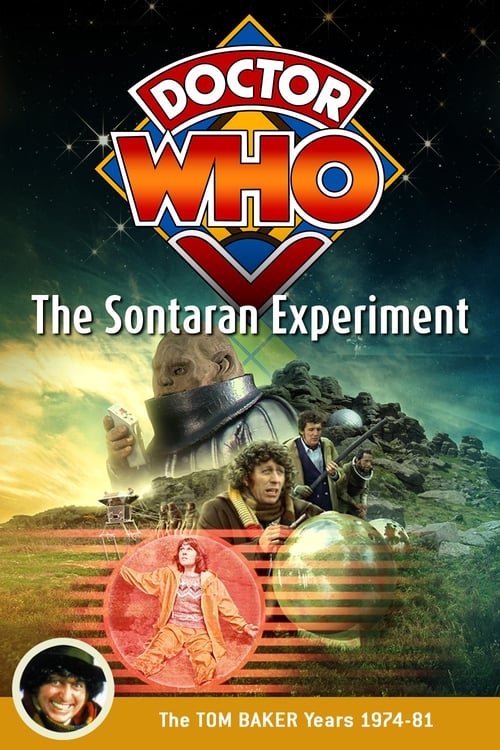
Doctor Who: The Sontaran Experiment
1975
No user ratings available yet
Representation score: 2.1 out of 10

Representation Score
Fair
1975
TV-YDirector
Rodney Bennett
Runtime
100 minutes
Average Rating
No ratings yetNew Showbiz Analysis
This production stands as a transitional piece of science fiction, maintaining a largely homogeneous demographic typical of mid-century British broadcasting. Despite this, it achieves some success by challenging traditional gender roles through the character of Leela. However, the narrative primarily focuses on biological horror and systemic collapse, rather than structured social or ideological critiques.
Category Breakdown
The story focuses on a group of travelers and does not include any characters with non-binary gender identities or same-sex romantic relationships.
Leela challenges traditional gender roles by being a skilled fighter and warrior, while the Doctor holds intellectual authority. Her role as a capable warrior helps break down the stereotype of submissive women.
The cast is mainly composed of white British actors, reflecting the production's time period. The story does not feature a diverse range of ethnicities or use actors from different backgrounds.
The setting serves as a critique of institutions in a secular, high-stakes environment. It does not explicitly address anti-Western themes, focusing instead on survival horror scenarios.
The story explores the loss of bodily control through biological infection but does not center on neurological differences or permanent disabilities as key plot points.
Present on Screen
Limited or Absent
Official Synopsis
In the distant future, the Doctor, Sarah and Harry find a space station preserving the future of mankind. But the insect Wirrn have got there first...
1975

1976

1973
1975

1973
1966
1977

1965
No reviews yet. Be the first to share your thoughts on this movie!
Use the rating form above to leave a star rating and optional review.