
Doctor Who: The Green Death
1973
No user ratings available yet
Representation score: 5.2 out of 10
Representation Score
Minimal
1977
Director
Michael E. Briant
Runtime
96 minutes
Average Rating
No ratings yetNew Showbiz Analysis
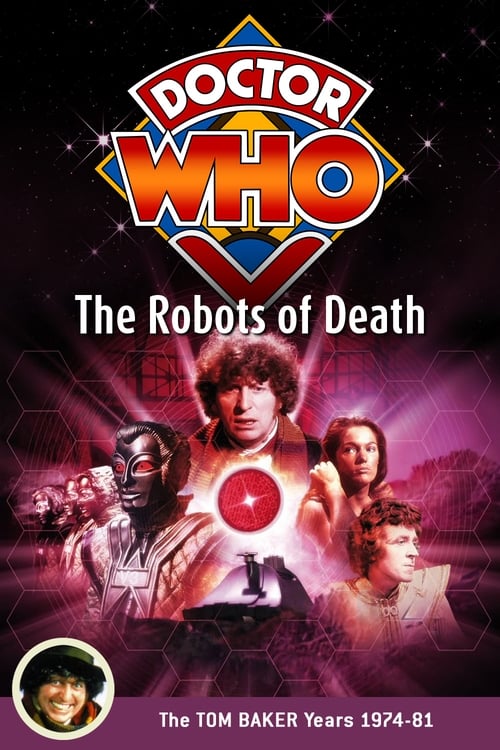
This space western adventure focuses on genre clichés and suspense rather than social disruption. It operates as a classic procedural mystery, staying true to its 1977 production era. The main progressive element is Leela, who subverts the 1970s gender archetypes through her combat expertise and independence. However, the work lacks multi-layered casting and systemic critiques. The absence of diverse racial identities and LGBTQ+ representation keeps the overall diversity score low.
Category Breakdown
The story does not include any LGBTQ+ characters or explore non-cisgender identities. The social dynamics focus on a standard ensemble without any queer subtext or identity-driven plotlines.
Leela challenges the 1970s television hierarchy through her physical strength and independence. As a tribal warrior, she uses her combat skills and survival instincts to defy the era's typical submissive female archetypes.
The cast reflects the era's production constraints with a predominantly homogeneous demographic. The space western setting does not actively incorporate diverse racial or ethnic identities into the mining outpost's power structures.
The narrative follows a traditional mystery structure without critiquing Western institutions or religion. Conflict arises from mechanical threats rather than deconstructing social or political systems.
No visible or invisible disabilities are shown with real influence. Characters mainly serve as typical investigators or victims within the mystery framework, without stories centered on neurodivergence or impairment.
Present on Screen
Limited or Absent
Official Synopsis
The Doctor and Leela must catch a killer on a vast mining ship run by robots and humans.
1973

2011

1971

2014

1975
1979
1975
1972
No reviews yet. Be the first to share your thoughts on this movie!
Use the rating form above to leave a star rating and optional review.