
Doctor Who: The Two Doctors
1985
No user ratings available yet
Representation score: 4.8 out of 10

Representation Score
Limited
1965
TV-GDirector
Mervyn Pinfield
Runtime
100 minutes
Average Rating
No ratings yetNew Showbiz Analysis
This 1965 adventure film reflects the conventions of its time, adhering closely to genre standards and avoiding social critique. The narrative structure relies on traditional hierarchies and a homogenous cast, offering limited engagement with diverse identities. While the film provides a foundational science fiction experience, it lacks the intentional effort to challenge conventional social norms. The focus remains on episodic conflicts rather than exploring varied human experiences or systemic issues.
Category Breakdown
The story does not include any LGBTQ+ characters or non-cisgender identities. Relationships in the film are strictly heterosexual without any subtle hints of queerness.
Barbara is portrayed as an intelligent educator with her own choices, but the main plot-driving authority stays with the male characters. Female characters mostly play supporting roles focused on emotions or observations.
The human characters in the film are uniformly white, reflecting the limitations of the time period. Non-human characters like the Morians serve as symbolic representations rather than stand-ins for racial diversity.
The narrative centers on a black-and-white moral code and the preservation of historical traditions. It avoids criticizing Western institutions, capitalism, or religious practices.
All characters in the film are shown as able-bodied explorers. There are no stories involving neurodivergent or physically disabled individuals.
Present on Screen
Limited or Absent
Official Synopsis
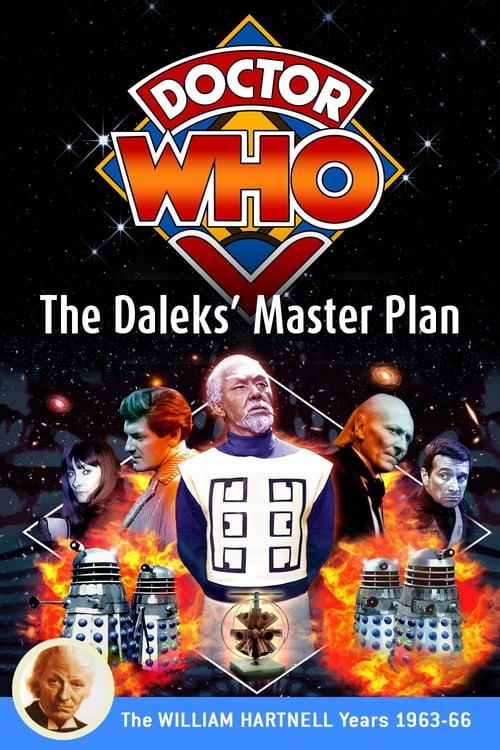
On the planet Xeros, the TARDIS crew discover their own future selves frozen in time as exhibits in a galactic museum and must avert this potential future.
1985
1973

1975
2014
1965

1966
1975

1974
No reviews yet. Be the first to share your thoughts on this movie!
Use the rating form above to leave a star rating and optional review.