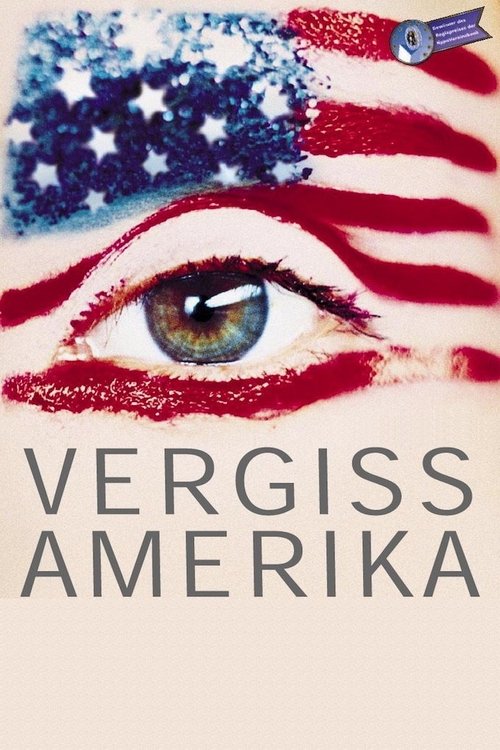
Forget America
2000
No user ratings available yet
Representation score: 4.5 out of 10

Representation Score
Fair
2006
Director
Vanessa Jopp
Runtime
0 minutes
Average Rating
No ratings yetNew Showbiz Analysis
Vanessa Jopp’s drama functions as a fragmented character study centered on human connection. It succeeds in presenting a diverse ensemble of women who navigate professional and personal complexities beyond simple domesticity. However, the film lacks explicit markers of multi-layered identity. The focus remains on emotional realism and situational struggles rather than addressing systemic issues or providing actively leading representation for underrepresented groups. Ultimately, the film occupies a moderate tier of inclusion. It offers a nuanced look at interpersonal relationships but misses opportunities for overt social critique or diverse racial and queer representation.
Category Breakdown
The film explores loneliness and love through a tragicomic lens. It avoids rigid romantic clichés but does not include explicit queer-coded characters or same-sex intimacy.
Female characters such as Mathilda, Johanna, and Ali drive much of the narrative. They navigate complex social landscapes, including career ambitions and parenting struggles, moving beyond traditional domestic roles.
The ensemble leans toward a standard European dramatic cast. There is no explicit mention of non-white characters or significant multi-layered racial complexity in the story.
The story favors a secular, humanistic approach to morality. It focuses on individual struggles and fleeting human connections rather than institutional or traditional moral frameworks.
The narrative contains no mention of characters with visible or invisible disabilities. No representation of neurodivergence or chronic illness is present in the ensemble.
Present on Screen
Limited or Absent
Official Synopsis
Straight to the heart: a fleeting collision on a street corner, Mathilda and Bronski's first encounter. Andi will meet Johanna, who has to tame her daughter Mandy. Andi will meet David, who is trying to cope with his girlfriend Ali's ambitious career aspirations with an extensive load of booze. Tragicomic stories of encounters, relationships, loneliness and love....
2000

2006

2006
2006

2005

2001

2014

2003
No reviews yet. Be the first to share your thoughts on this movie!
Use the rating form above to leave a star rating and optional review.