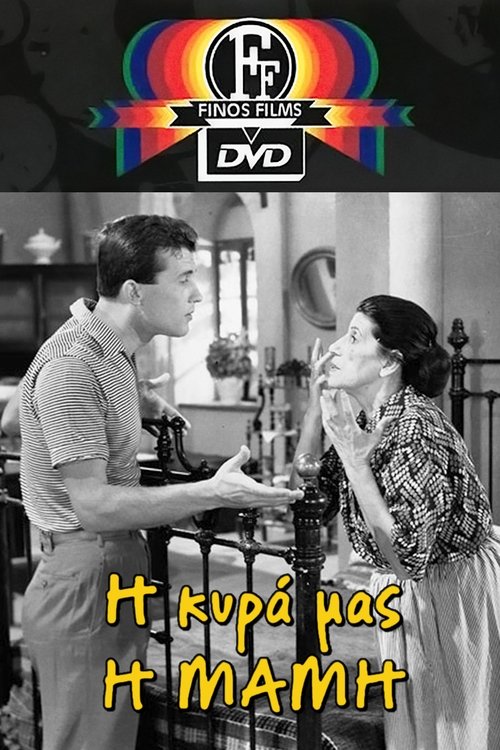
Mrs. Midwife
1961
No user ratings available yet
Representation score: 0.6 out of 10
Representation Score
Limited
1960
Director
Roviros Manthoulis
Runtime
75 minutes
Average Rating
No ratings yetNew Showbiz Analysis
Madame Mayor offers a compelling look at mid-century social dynamics through a localized lens. While the film adheres to the traditionalist constraints of 1960s Mediterranean cinema, it achieves progressive intent by centering its plot on a woman's pursuit of political power. The central conflict between Aspasia and Anargyros serves as a vehicle to explore the complexities of local leadership and the role of women in politics. However, the film remains culturally specific and homogeneous, lacking LGBTQ+ representation and diverse racial perspectives.
Category Breakdown
The film focuses on traditional romantic pairings between the protagonists' children and does not depict any non-straight or non-cisgender identities. There is no critique of the assumption that everyone is straight or cisgender.
Aspasia's pursuit of political office disrupts standard depictions of female passivity. Her competition with a former military sergeant major highlights women's ability to drive the story and political intellect.
The film operates within a homogeneous ethnic framework typical of regional Greek cinema. It lacks racial mixing but avoids relying on external racial stereotypes.
The story explores the friction between traditional village life and individual political ambition. It provides a nuanced look at social power dynamics within a communal setting.
There is no documented evidence regarding the inclusion or portrayal of characters with physical or neurodivergent disabilities.
Present on Screen
Limited or Absent
Official Synopsis
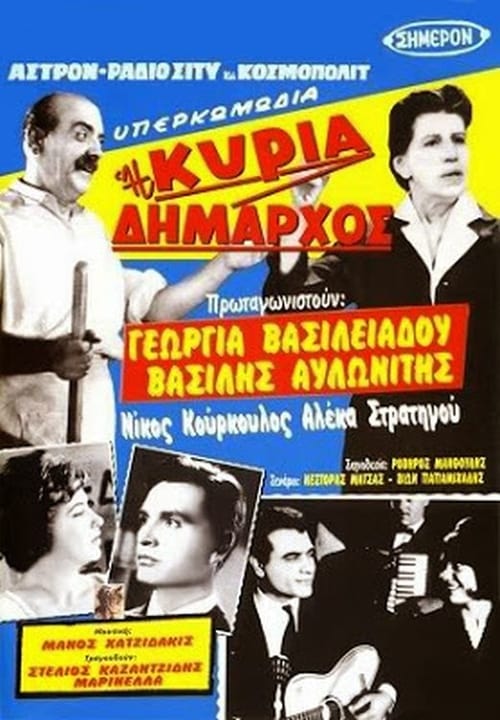
On the square of a village on a beautiful greek island there are two competing tavernas. One belongs to Aspasia and the other to Anargyros, who is a former Sergeant Major of the Greek Army. Their constant conflict doesn’t affect their children, who love and meet each other in secret. The local elections creates a new battlefield for the two taverna-owners, as they both run for office and promise everything to everyone.
1961
1952

1976
1953
1963
1959
1965
1962
No reviews yet. Be the first to share your thoughts on this movie!
Use the rating form above to leave a star rating and optional review.