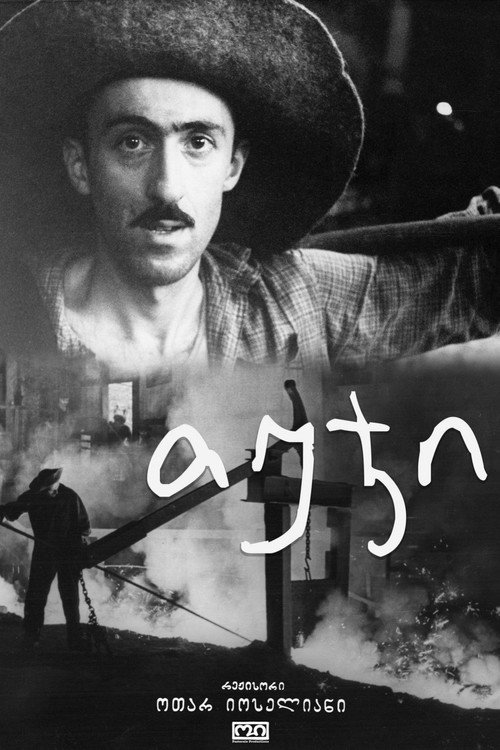
Cast Iron
1964
No user ratings available yet
Representation score: 4.9 out of 10
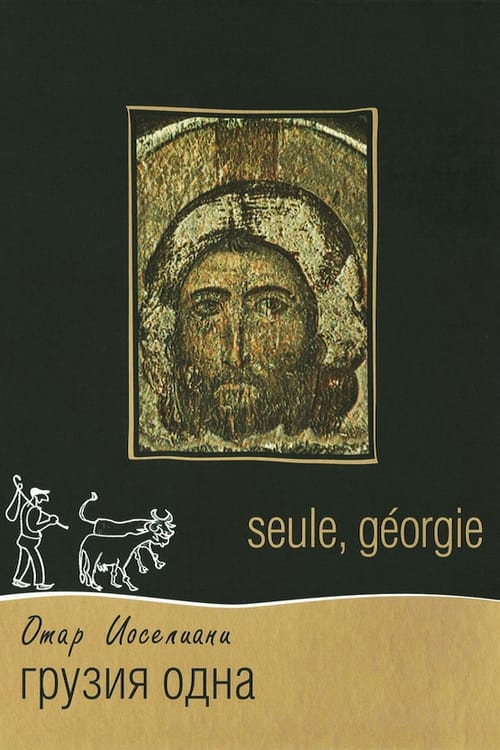
Representation Score
Fair
1994
Director
Otar Iosseliani
Runtime
236 minutes
Average Rating
No ratings yetNew Showbiz Analysis
Otar Iosseliani’s documentary is a sophisticated exploration of Georgian identity and post-Soviet transition. It succeeds by centering a localized, non-Western perspective and utilizing the artistry of regional filmmakers to challenge monolithic historical narratives. The film's strength lies in its intellectual nuance and its ability to deconstruct political hegemony. By focusing on the complexities of societal shifts and the legacies of political figures, it avoids the clichés of traditional political dramas. However, the film lacks explicit representation of specific identity groups. The narrative prioritizes landscape and political history over the inclusion of LGBTQ+ narratives or visible disability representation.
Category Breakdown
The documentary focuses on historical and sociological studies of a nation in transition. There are no explicit LGBTQ+ narratives or characters in this political and landscape-driven study.
The film prioritizes daily rhythms and socioeconomic realities over aggressive masculine clichés. However, it lacks specific evidence of women's ability to drive the central political discourse.
The work serves as a vital act of cultural preservation for a post-Soviet republic. It centers a non-Western perspective by utilizing the cinematic language of local Georgian filmmakers.
The film excels in critiquing institutional structures and deconstructing state power. It favors a subjective, contemplative morality over singular, state-mandated ideologies or traditional Western stability.
There is no documented evidence regarding the depiction of characters with physical or neurodivergent disabilities within this work.
Present on Screen
Limited or Absent
Official Synopsis
The horrific war in Chechnya, a neighbor of Georgia, gives a special poignancy to Otar Iosseliani’s fascinating, four-hour, made-for-television documentary on Georgia which, like his delightful Chasing Butterflies (SFIFF 1993), was produced in France. Iosseliani presents the history of this former Soviet republic through beautifully interwoven images of landscapes, artwork and clips from other Georgian filmmakers such as Nikoloz Shengalaya and Tenghiz Abuladze. He illuminates the part played recently by two politicians, both KGB men but with very different destinies: Zviad Gamsakhurdia, an ultranationalistic demagogue who died in exile; and Eduard Shevardnadze, who is the president of Georgia today.
1964
2017
2014
2015
2009
2012
2003
2010
No reviews yet. Be the first to share your thoughts on this movie!
Use the rating form above to leave a star rating and optional review.