The Day Kennedy Died
2013
No user ratings available yet
Representation score: 0.8 out of 10
Representation Score
Fair
2007
Director
Shane O'Sullivan
Runtime
139 minutes
Average Rating
No ratings yetNew Showbiz Analysis
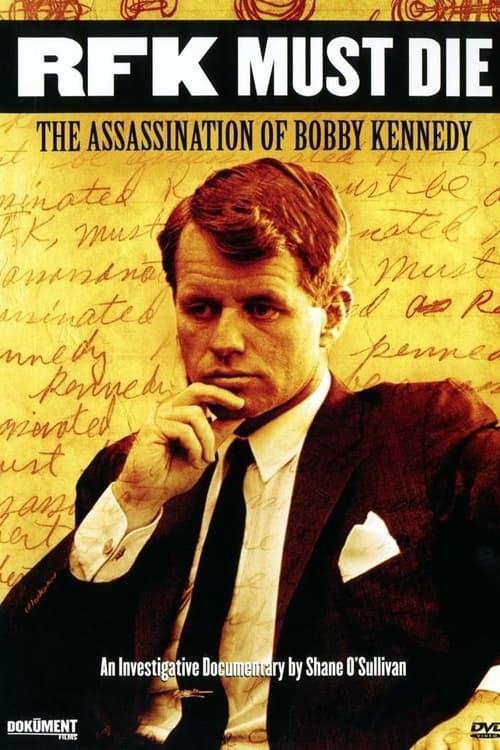
RFK Must Die is a historical deconstruction that prioritizes the interrogation of power over demographic breadth. It functions as a postmodern investigation into institutional truth rather than a vehicle for characters who reflect more than one aspect of diversity. The film's strength lies in its systemic critique of American political institutions. By questioning the official narratives provided by the state, it offers a complex view of institutional morality. However, the documentary lacks intentionality regarding identity-based categories. It remains bound by the historical constraints of the 1960s, resulting in low scores for gender, race, and LGBTQ+ representation.
Category Breakdown
The film focuses on the political landscape and criminal investigation of 1968. There are no LGBTQ+ characters or themes present.
The story centers on male political figures and law enforcement. Sandra Serrano provides a key female perspective, but the overall structure emphasizes traditional masculine power dynamics.
Archival footage reflects the racial demographics of the 1960s American political establishment. Munir Sirhan adds a non-Western perspective, but the focus remains on the Anglo-American context.
The documentary critiques traditional Western institutions and state-sanctioned truths. It explores potential corruption within intelligence agencies and organized crime to challenge official histories.
The film examines psychological states and hypnotic programming theories through a forensic lens. However, it lacks a nuanced exploration of neurodivergence or characters with lived experiences of disability.
Present on Screen
Limited or Absent
Official Synopsis
A new investigative documentary exploring the controversies surrounding the assassination of Bobby Kennedy on June 5, 1968 as he looked set to challenge Nixon for the White House. Munir Sirhan tells how his brother Sirhan has never been able to remember the shooting. Sandra Serrano speaks for the first time in forty years about the girl in the polka-dot dress fleeing the scene, yelling "We shot him! We shot him!" And Dr. Herbert Spiegel of Columbia University describes how Sirhan was hypnotically programmed to kill Robert Kennedy.
2013
2015
1992

2006
2011
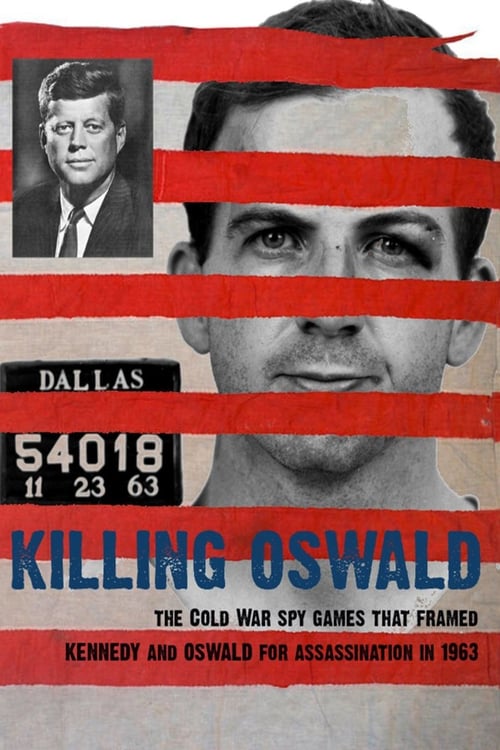
2013
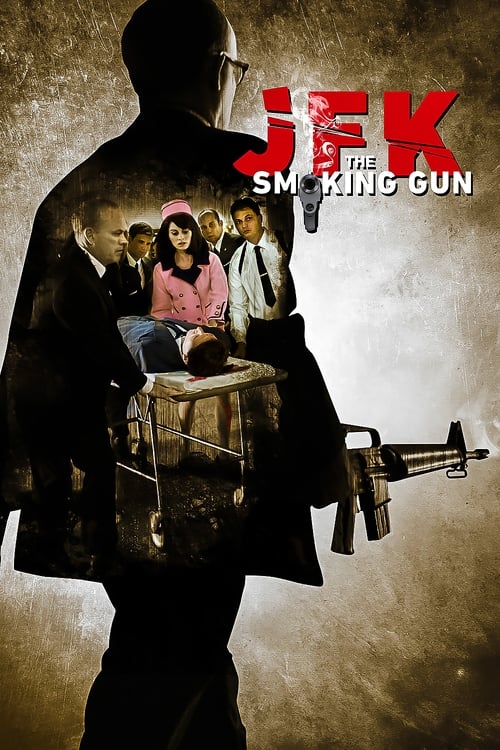
2013
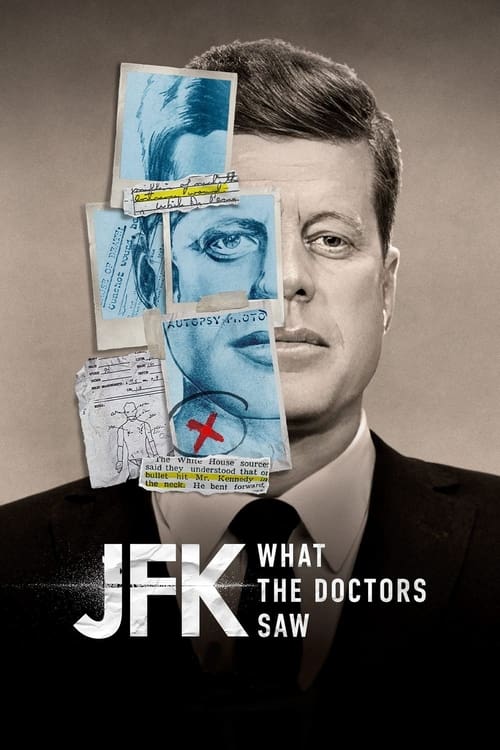
2023
No reviews yet. Be the first to share your thoughts on this movie!
Use the rating form above to leave a star rating and optional review.