
Star 80
1983
No user ratings available yet
Representation score: 5.1 out of 10
Representation Score
Good
2022
NC-17Director
Andrew Dominik
Runtime
167 minutes
Average Rating
No ratings yetNew Showbiz Analysis
Blonde is a psychological deconstruction that prioritizes systemic critique over demographic breadth. It excels at dismantling patriarchal and capitalist structures, using the protagonist's experience to expose the violence of the studio system. However, the film remains tethered to the historical homogeneity of its setting. The lack of racial diversity and queer representation limits its scope, keeping the narrative within traditional social parameters. Ultimately, the film's strength lies in its intellectual engagement with power. It trades historical objectivity for a surrealist exploration of how institutions exploit the individual.
Category Breakdown
The story focuses on heterosexual relationships and does not include any explicit LGBTQ+ characters or narratives that question the assumption that everyone is straight. There are no characters or stories that challenge heteronormativity through queer identity.
The film critiques gender hierarchies by highlighting the objectification of women in the mid-century studio system. It portrays the studio system as a predatory, patriarchal force.
The cast and social circles are predominantly white, reflecting the homogeneity of mid-century Hollywood. The film does not include significant minority characters or use color-blind casting.
The story offers a strong critique of the Hollywood star system, rejecting traditional morality to explore the complex, subjective truths of individuals. It provides a potent anti-capitalist perspective.
The film explores psychological trauma and neurodivergence through the protagonist's fragmented psyche. These elements serve as tools for surrealism rather than providing a narrative of lived experiences.
Present on Screen
Limited or Absent
Official Synopsis
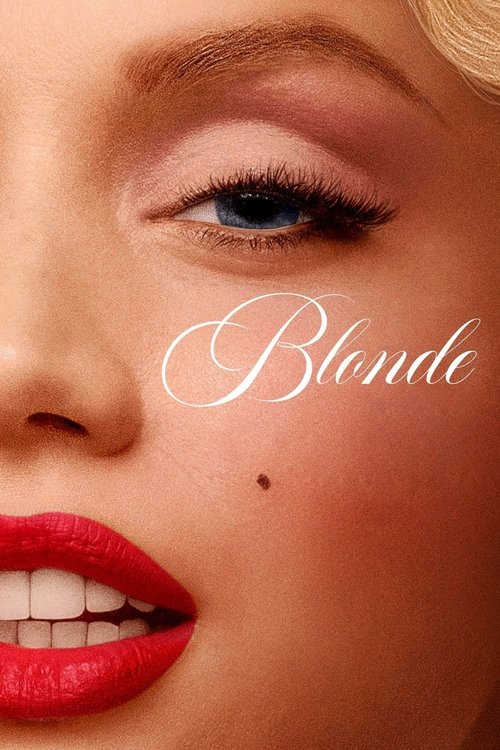
From her volatile childhood as Norma Jeane, through her rise to stardom and romantic entanglements, this reimagined fictional portrait of Hollywood legend Marilyn Monroe blurs the lines of fact and fiction to explore the widening split between her public and private selves.
1983
1982
2006
1981
2014

1990
1992
1937
No reviews yet. Be the first to share your thoughts on this movie!
Use the rating form above to leave a star rating and optional review.