
A Woman Under the Influence
1974
No user ratings available yet
Representation score: 5.2 out of 10
Representation Score
Limited
1981
PGDirector
Frank Perry
Runtime
129 minutes
Average Rating
No ratings yetNew Showbiz Analysis
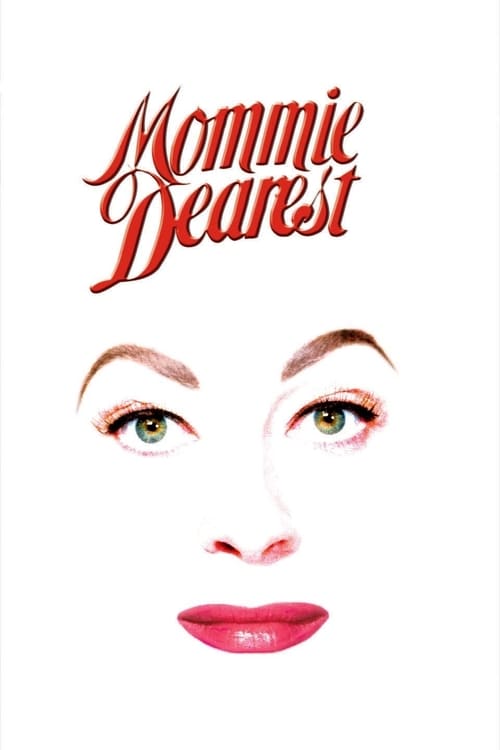
Mommie Dearest is a character-driven film that effectively dismantles the idealized mother cliché by presenting a maternal figure as a source of domestic tyranny. However, the film lacks diversity, focusing on a narrow, homogeneous social class. While it offers a deep psychological study of power and control, it does not explore mental health issues in a nuanced way.
Category Breakdown
The film adheres closely to Hollywood's traditional structures, showing no evidence of LGBTQ+ identities or subtext among the main characters.
The movie challenges the traditional view of women by depicting a powerful, controlling figure who uses her home environment for tyranny, rather than nurturing care.
The film's setting reflects the limited diversity of mid-century Hollywood, with nearly all characters coming from a predominantly white, upper-class background.
The film critiques the pursuit of fame and success by showing the family unit as a source of trauma and dysfunction, rather than a positive social structure.
Psychological instability and narcissistic traits are treated as dramatic character flaws. The film focuses on the impact of these behaviors rather than exploring the lived experience of mental health.
Present on Screen
Limited or Absent
Official Synopsis
Renowned film star Joan Crawford's abuse towards Christina, her adopted daughter, intensifies as her professional and romantic relationships turn sour.
1974

1983

2004

1978

1978

1990

1990

1945
No reviews yet. Be the first to share your thoughts on this movie!
Use the rating form above to leave a star rating and optional review.