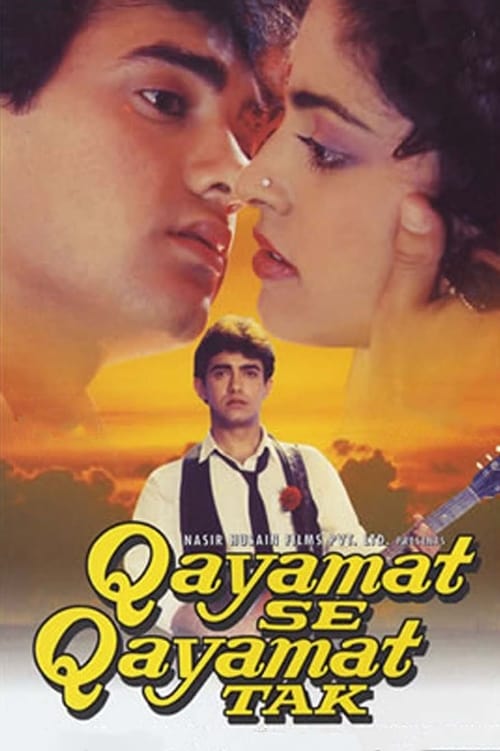
Qayamat Se Qayamat Tak
1988
No user ratings available yet
Representation score: 2.1 out of 10
Representation Score
Limited
1984
Director
Saawan Kumar Tak
Runtime
131 minutes
Average Rating
No ratings yetNew Showbiz Analysis
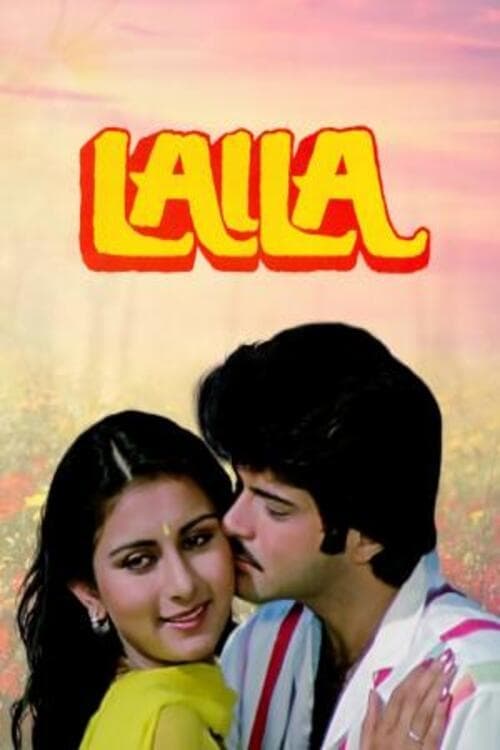
Laila is a traditionalist melodrama that emphasizes themes of lineage, honor, and generational conflict. The plot revolves around blood feuds between Rajput families, reinforcing established social hierarchies rather than challenging them. The film’s structure centers on patriarchal continuity and tribal loyalty. While it provides specific cultural grounding through its focus on Rajput clans, it lacks the depth needed to challenge systemic norms or present a diverse social landscape. Ultimately, the work adheres to conventional storytelling patterns, emphasizing traditionalist values over social subversion.
Category Breakdown
The film focuses on traditional marriage and biological succession without addressing non-straight or non-cisgender identities.
The story centers on male heads of households and their conflicts. Female characters mainly support the continuation of the family line through motherhood.
The narrative is rooted in Rajput identity, which emphasizes traditional social hierarchies rather than showcasing a diverse cultural landscape.
The story upholds traditional values of honor and family loyalty, focusing on the importance of bloodlines and clan-based identities.
There are no characters with visible or invisible disabilities mentioned in the narrative.
Present on Screen
Limited or Absent
Official Synopsis
Bitter hatred had always existed between two Rajput families, namely those of Bharat Singh and Prithviraj Singh, resulting in the death of Bharat's nephew. Years later, Prithviraj's son Dharamraj gets married to Sunaina, who gives birth to a baby boy named Deshraj. On Deshraj's 10th birthday, Prithviraj goes to make peace with Bharat and invites him for a birthday party, which Bharat attends, but there is no end to the animosity - which results in the death of Prithviraj, when his chauffeur, Chandu, is bribed and manipulated by Bharat and his men. (Watch for more)
1988
1989

2002
1994

2003
2002
1971
1995
No reviews yet. Be the first to share your thoughts on this movie!
Use the rating form above to leave a star rating and optional review.