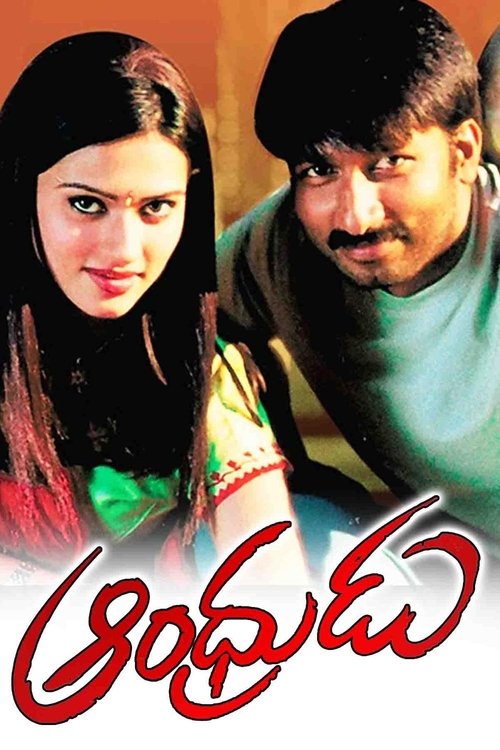
Andhrudu
2005
No user ratings available yet
Representation score: 1.5 out of 10

Representation Score
Limited
2007
Director
V. N. Aditya
Runtime
138 minutes
Average Rating
No ratings yetNew Showbiz Analysis
Aata is a conventional romantic-action film that adheres to the established genre clichés of mid-2000s Telugu cinema. The narrative centers on a protective male protagonist navigating social and political obstacles to secure a romantic union. The film prioritizes traditional hierarchies and individual heroism over progressive social commentary. While it touches on themes of political corruption, the resolution relies on restoring social order through personal wit and law enforcement. Ultimately, the work functions as a populist piece that reinforces standard gender roles and cultural norms rather than challenging them.
Category Breakdown
The film does not depict any non-straight or non-cisgender identities. There are no same-sex romantic relationships shown.
The story relies on traditional gender roles. While Satya takes action by leaving her home, she is mainly portrayed as needing protection from the male lead.
The film presents a culturally specific South Asian context. The cast and setting are ethnically homogeneous, reflecting the localized nature of the regional story.
The narrative upholds traditional social structures and the sanctity of the family unit. Political corruption is addressed through individual morality rather than systemic critique.
There are no prominent depictions of physical or neurodivergent disabilities that impact the narrative arc.
Present on Screen
Limited or Absent
Official Synopsis
Sri Krishna (Siddharth) grows up watching films playing in the theater in which his father works as a movie-projectionist in a village. Satya (Ileana) is harassed by Vicky (Munna) - son of a politician - who wants to marry her. Satya escapes from home and Sri Krishna falls in love with her the first time he meets her. As the goons and police chase Satya, Sri Krishna protects her and drops her in the house of the politician. He wins Vicky’s confidence. Then, he plays a one sided game with him. At the end, the police that were working with Vicky turn against him and arrest Vicky and his parents. Satya and Sri Krishna get married.
2005
1989

2003
2011
2005

1999
2011
2007
No reviews yet. Be the first to share your thoughts on this movie!
Use the rating form above to leave a star rating and optional review.