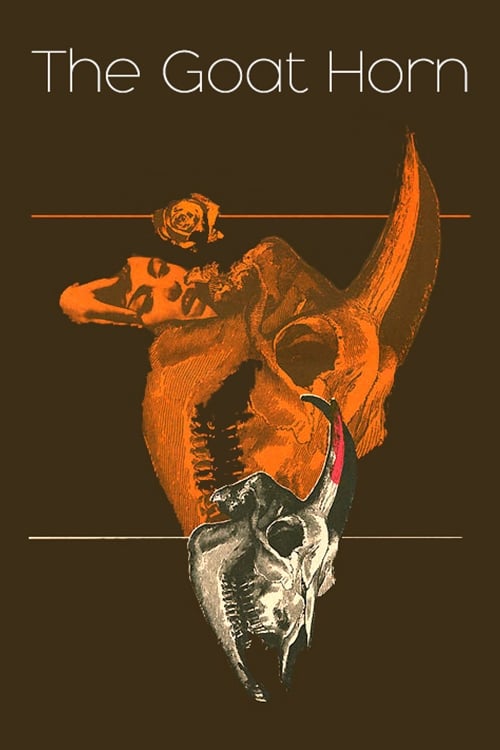
The Goat Horn
1972
No user ratings available yet
Representation score: 9.2 out of 10
Representation Score
Excellent
1994
Director
Nikolay Volev
Runtime
88 minutes
Average Rating
No ratings yetNew Showbiz Analysis
The Goat Horn is a sophisticated deconstruction of the historical epic. It moves away from romanticized period clichés to focus on the psychological erosion caused by systemic violence and patriarchal obsession. The film excels in its nuanced portrayal of gender and disability. By centering on a character navigating a fractured identity and the silence of trauma, it offers a complex look at survival. While the ethnic portrayals lean toward being the primary catalysts of tragedy, the film maintains depth through its critique of traditional institutions and the cycle of vengeance.
Category Breakdown
The film doesn't explicitly mention LGBTQ+ identities, but it explores gender as a performance driven by necessity. Mariya is raised as a boy to ensure her survival, which challenges the idea that gender is solely based on biology.
Mariya challenges traditional gender roles by being a skilled warrior with significant physical strength. Her autonomy is pitted against a patriarchal father who prioritizes revenge over her emotional well-being.
Set during the Ottoman occupation, the film highlights ethnic and religious tensions. It avoids simplistic divisions by focusing on the human cost of imperial expansion and cultural imposition.
The story critiques traditional patriarchal honor and the destructive nature of vengeance. It uses the breakdown of the family unit to challenge hyper-masculine nationalism found in period epics.
Mariya’s selective mutism serves as a powerful symbol of the psychological impact of trauma. Her silence is integral to her character development and the emotional scars she carries.
Present on Screen
Limited or Absent
Official Synopsis
Middle Ages: Bulgaria is under the Ottoman Empire. Somewhere, far in the mountains, goatherd Karaivan lives with his wife and little daughter, Mariya. One day Turks burst into the house and rape the woman before the eyes of the daughter and husband. After the rape, she is killed by a raper and the girl is shocked into growing dumb. From this moment on, Karaivan is obsessed with the sole thought of taking revenge. He moves with his daughter into a cave high in the mountains, raises her as if she is a boy, trains her to fight and draw a bow. Deep in her heart, the girl has no hatred, but a craving for love. She meets a young Muslim shepherd and falls in love. The father is unable to swallow it and kills the young man.
1972
1960
1967

1967
2007

1968
1981
1987
No reviews yet. Be the first to share your thoughts on this movie!
Use the rating form above to leave a star rating and optional review.