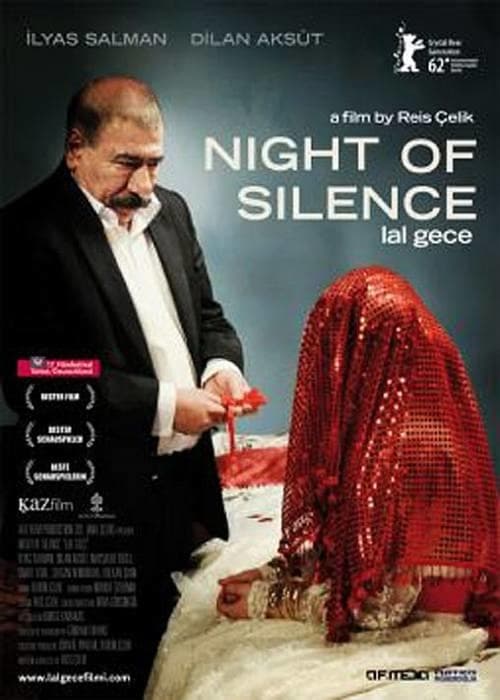
Night of Silence
2012
No user ratings available yet
Representation score: 4.2 out of 10
Representation Score
Limited
2007
Director
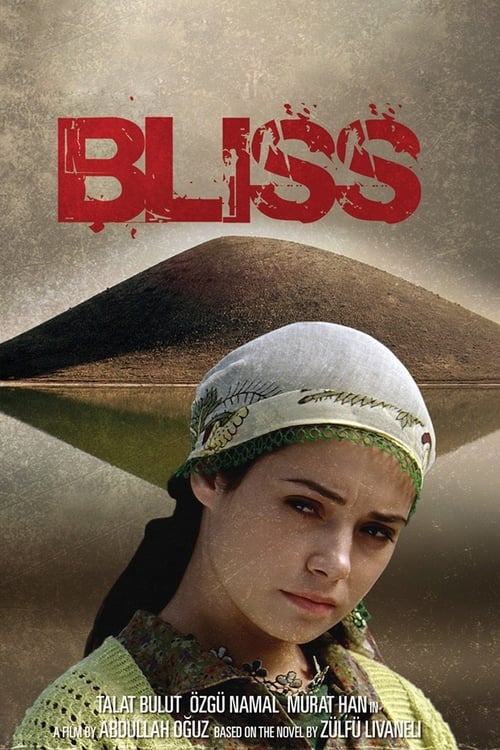
Abdullah Oğuz
Runtime
105 minutes
Average Rating
No ratings yetNew Showbiz Analysis
Bliss (2007) is a powerful social drama that delves into the systemic oppression and gender-based violence within a traditional honor culture. The film effectively portrays the harsh realities of rigid communal hierarchies and the trauma they cause. However, it adheres to conventional cinematic formulas where the narrative is heavily influenced by the male protagonist's actions. The cultural scope is limited to a specific Turkish context rather than a broader, more diverse perspective. While the film critiques the 'honor' culture, it does so through traditional storytelling methods rather than a more contemporary or inclusive framework.
Category Breakdown
The film focuses on heterosexual relationships and does not include any non-cisgender identities or narratives that question heteronormativity.
Meryem's fight against patriarchal rules offers a nuanced look at gender power dynamics. However, the story is largely driven by the male character Cemal and his decisions.
The cast is primarily Turkish and reflects a local setting. The film emphasizes cultural authenticity over a more globally diverse demographic.
The story contrasts rural traditions with urban modernity, critiquing strict social customs and communal justice through a tragic lens.
There is no discernible evidence regarding the portrayal of physical or neurodivergent disabilities within the film.
Present on Screen
Limited or Absent
Official Synopsis
A young woman of about 17 years old, named Meryem (Ozgu Namal), has been raped, and her village's customs call for her to be killed to restore honor and dignity to her family and village. The eldest son of the village leader, Cemal (Murat Han), is ordered to take Meryem to Istanbul and kill her, but at the last minute he cannot complete the task.
2012
2004

1968

2016
1981
2009
2014

2017
No reviews yet. Be the first to share your thoughts on this movie!
Use the rating form above to leave a star rating and optional review.